
Macao, October 21 — The Global Shiology Index (GSI) Report 2026 and its companion thematic report, GSI Report — Issues and Governance in Portuguese and Spanish-Speaking Countries and Regions, were officially launched at the 31st Macao International Trade and Investment Fair. Themed "A Governance Framework Oriented to the “Five Eater Needs” of 8 Billion People: From “Food Security” to “Food–Body Coupling," the reports quantitatively assess the food-related status of 177 countries. They present differentiated governance solutions and introduce the “Global Food Sustainability Action Framework (2050)” draft, providing new evaluation tools and policy references for global food system governance in the post-2030 era.
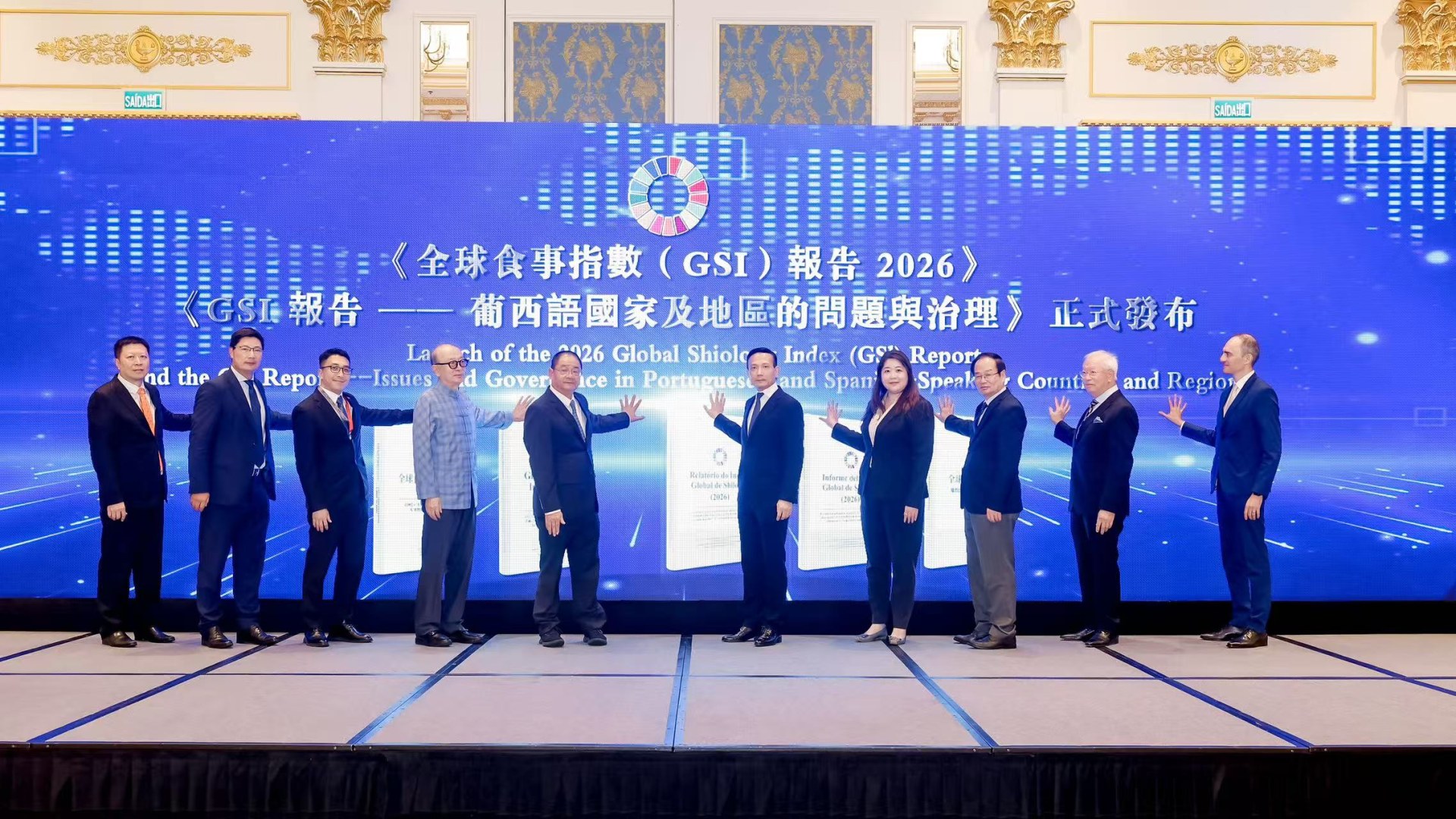
حفل الإطلاق الرسمي لتقرير GSI Report 2026 في ماكاو
At the event, Prof. Wei Ge, Vice Rector of the University of Macau, read the foreword written by Ban Ki-moon, the 8th Secretary-General of the United Nations: "The problems within food systems are complex. We face older issues such as insufficient food supply, along with newer ones like like polluted soil and water. To tackle these challenges, we need a comprehensive knowledge framework that covers the entire food system. Shiology offers such a framework—integrating 'Eaters, food, and food order' —and provides a full-chain approach to understanding food system issues."
صرّح السيد تشو جوانغ، مدير شعبة المؤسسات العامة والحكومة الرقمية والقائم بأعمال مدير شعبة التنمية المستدامة في إدارة الشؤون الاقتصادية والاجتماعية بالأمم المتحدة (UN DESA)، في كلمته: "نحن نقف عند مفترق طرق حاسم. فمع تبقي بضع سنوات فقط حتى عام 2030، لا يزال العالم يواجه تحديات متعددة، منها النزاع، وتغير المناخ، والفقر، وعدم المساواة، وانعدام الأمن الغذائي. وتتجاوز القضايا المتعلقة بالغذاء نطاق الزراعة بكثير، فهي ترتبط ارتباطاً وثيقاً بصحة الإنسان وكرامته وازدهاره ومستقبل كوكبنا. ويتطلب تحقيق أهداف التنمية المستدامة تعاوناً دولياً أقوى ونهجاً أكثر تكاملاً. ويمكن لنتائج هذا التقرير أن تُسهم بأدلة وأدوات سياساتية في المناقشات حول التنمية المستدامة ما بعد عام 2030 وفي وضع أطر استراتيجية طويلة الأجل.
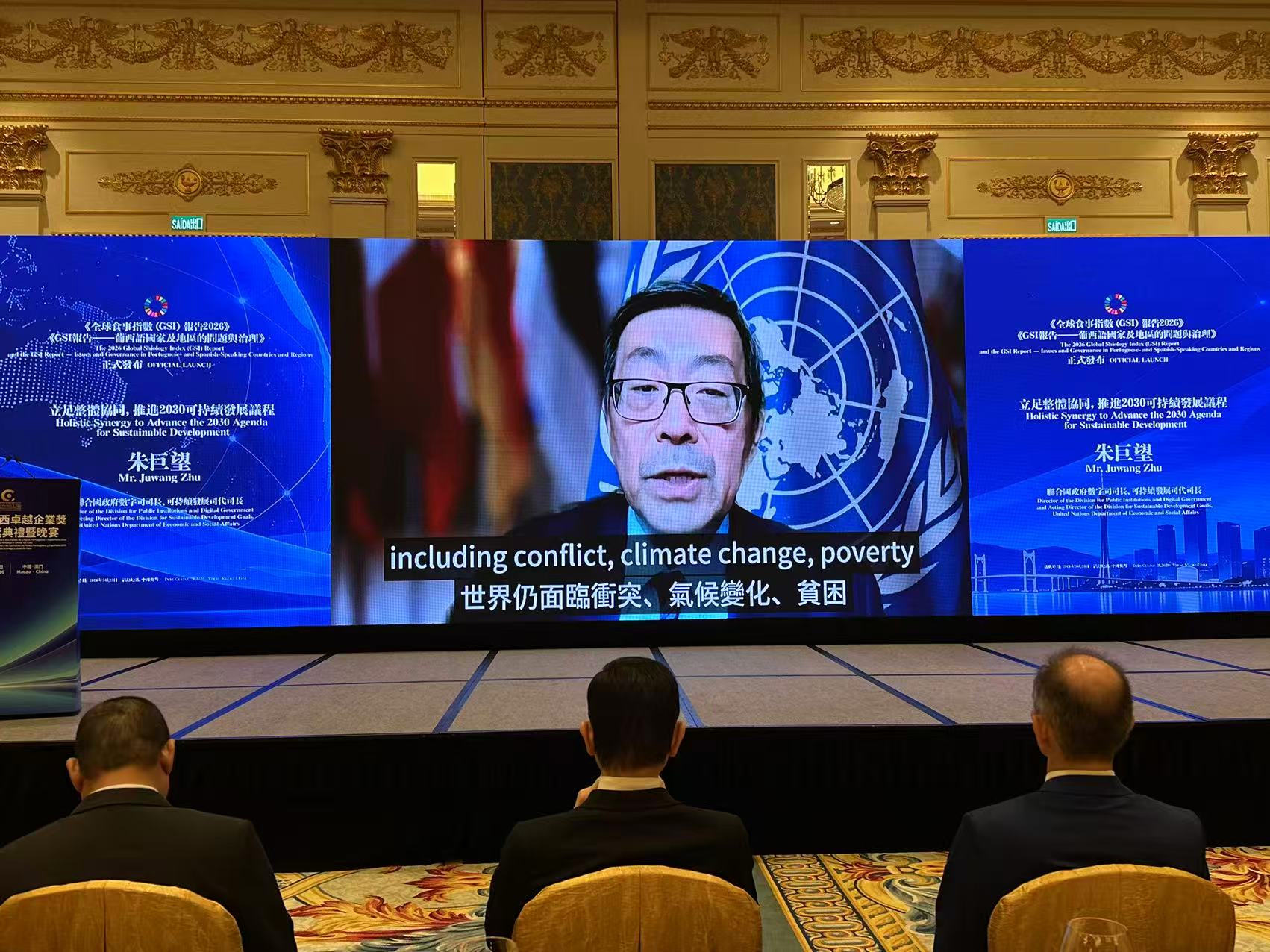
خطاب فيديو لـ Zhu Juwang
توم هايلاندت، الأمين السابق للجنة الدستور الغذائي (FAO/WHO)، أشار في كلمته إلى أن Shiology تستند إلى احتياجات المتناول للطعام وتوفر إطاراً جديداً لمعالجة العبء المزدوج لسوء التغذية العالمي. وييسر مؤشر Shiology العالمي المقارنة الأفقية والتعلم المتبادل بين الدول. وأعرب عن أمله في الاستفادة من المزايا الجغرافية لماكاو لتوسيع التعاون مع الدول الناطقة بالبرتغالية والإسبانية، لإنزال الأهداف الدولية إلى الحياة الغذائية اليومية للناس العاديين.
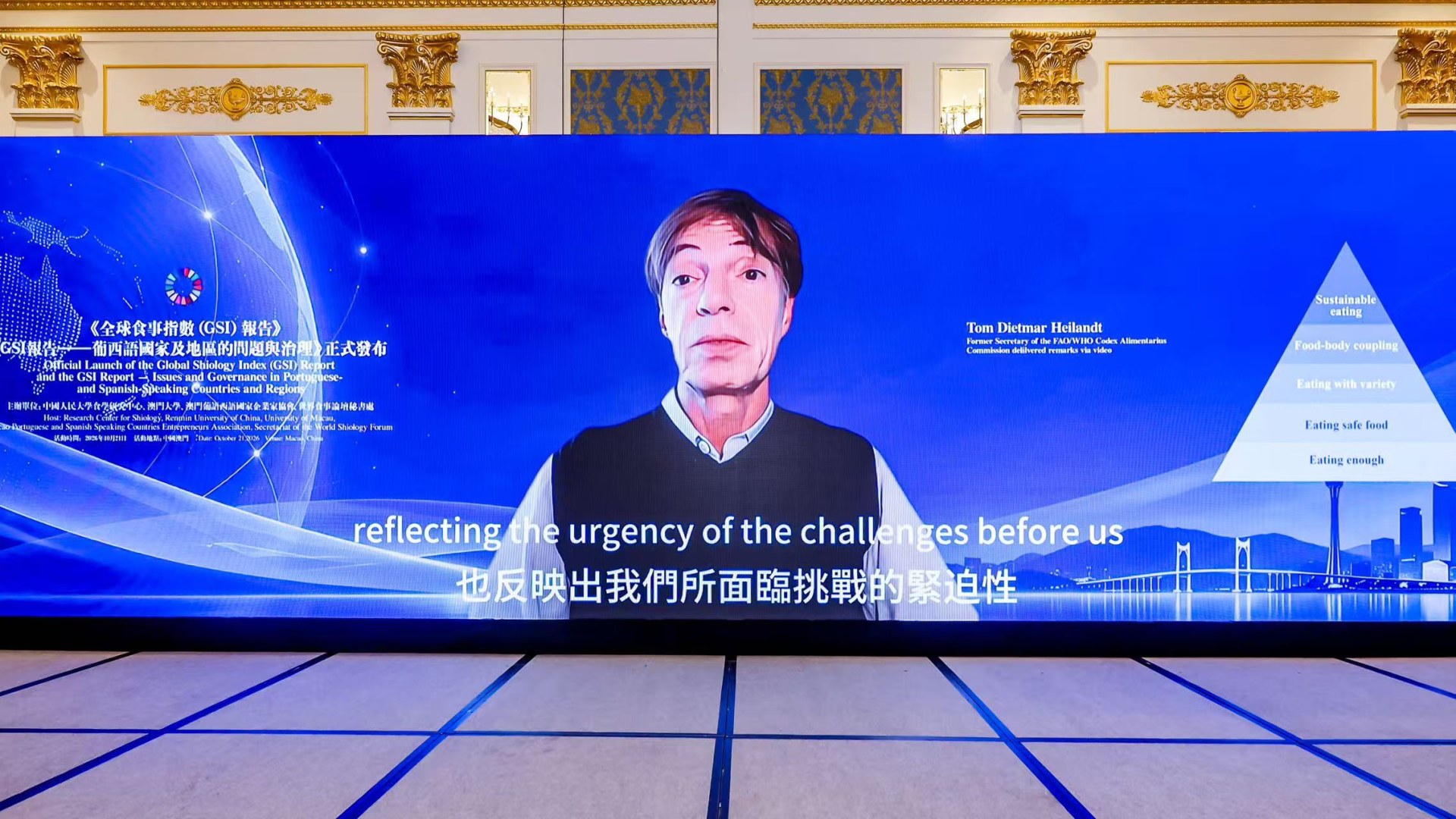
خطاب فيديو لتوم هيلاندت
Prof. Liu Guangwei, Director of the Food Studies Research Center at Renmin University of China, pointed out that the report is theoretically grounded in Shiology. Based on the five practical needs—"eating enough, eating safely, eating with variety, food-body coupling, and sustainable eating"—it integrates food production, food utilization (i.e., eating for health), and Shiance order into a unified analytical framework, completing a comprehensive scoring for 177 countries. The report also conducts comparative analyses across six dimensions: continent, latitude, geographical type, income, population size, and primary language. It divides the assessed countries into 16 groups, establishing a classified governance mechanism with corresponding response plans to facilitate food system governance tailored to each country's realities.
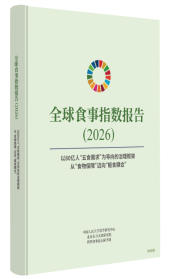
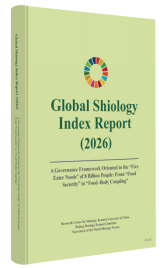
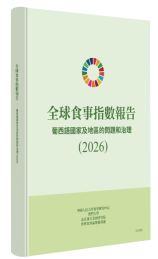
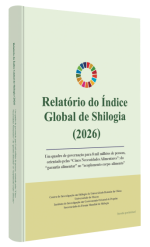
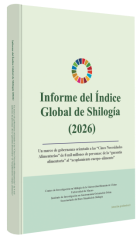
أبرز ما جاء في تقرير GSI 2026
أبرز نقطة 1: الريادة في Global Shiology Index (GSI) المرتكز على «الاحتياجات الخمسة للآكل»، مما يؤسس نظام تقييم موحد.
بالاستفادة من نموذج هرم «الاحتياجات الخمسة للآكل»، يُرسي التقرير نظام تصنيف لقضايا Shiance، حيث يدمج القضايا الواقعية المجزأة سابقًا والمتعلقة بالكفاية والسلامة والتنوع والاقتران والاستدامة في إطار موحد. ويختار 40 مؤشرًا قابلاً للمقارنة عبر الدول لمراقبة 15 فئة من قضايا Shiance بشكل كمي، مشكلاً سلسلة كاملة من «الاحتياجات—القضايا—المؤشرات—المؤشر». وحاليًا، هناك نقص عالمي في أدوات التقييم الكمي القائمة على منظور يركز على الآكل وتغطي السلسلة بأكملها؛ ويمثل GSI استكشافًا مهمًا في هذا الصدد.
أبرز ما جاء 2: تغطية تقييمات لـ177 دولة، مما يدفع تقييم Shiance العالمي من الملاحظات المتناثرة إلى التكميم المنهجي.
Based on a unified data processing and scoring system, the report completes a comprehensive assessment of 177 countries. Among them, 169 countries received formal comprehensive rankings, while 8 countries were included as reference scores due to missing indicators, ensuring the objectivity and rigor of the evaluation. The report simultaneously produces five sub-domain lists and conducts comparative analyses across six dimensions. The overall scores intuitively reflect the level of Shiance development, while sub-dimensional analyses reveal structural shortcomings within a country's food system.
Highlight 3: Introducing 16 classified governance solutions, advocating differentiated strategies based on development stages.
Using agricultural natural resource endowment and life expectancy at birth as two core dimensions, the report constructs a resource-longevity Shiance quadrant chart, positioning 177 countries with complete data into 16 groups and establishing a classified governance mechanism. The solutions fully consider each country's resource endowment, development stage, and practical implementation conditions, providing actionable references for countries worldwide to tailor Shiance governance to local conditions.
Highlight 4: Identifying two longevity diet blueprints to provide practical references for global healthy eating.
The report identifies two typical "Food-Body Coupling" regions with average life expectancies exceeding 83 years. The first is the Mediterranean Diet Circle, covering three observed countries—Spain, Italy, and Cyprus—with a total population of 109 million and an average life expectancy of 83.7 years. The second is the East Asian Diet Circle, comprising three countries and five regions (Japan, South Korea, and China's Hong Kong, Shanghai, and Macao), with a total population of 209 million and an average life expectancy of 84.3 years. These two blueprints provide practical references for countries worldwide to optimize national dietary health.
Highlight 5: Driving the transformation of global Shiance governance with the 2050 Action Framework, strengthening the policy loop from evaluation to action.
لمواءمة جدول أعمال التنمية المستدامة العالمية لما بعد عام 2030، يصدر التقرير مسودة الإطار العالمي لعمل استدامة الغذاء (2050). واستناداً إلى النتائج التشخيصية لمؤشر GSI وإلى نظام الاحتياجات الخمسة لآكل الطعام، يوضح الإطار أهداف حوكمة Shiance المتوسطة والطويلة الأجل، ومسارات التحول، وآليات التعاون بين أصحاب المصلحة المتعددين. ويحول نتائج تقييم المؤشرات إلى مبادئ توجيهية للعمل السياساتي، مقدماً مرجعاً برنامجياً للبلدان والمنظمات الدولية لتعزيز التحول طويل الأجل لأنظمة الغذاء.
النقطة البارزة 6: إطلاق تقرير إقليمي موضوعي، وتشكيل هيكل بحثي تكميلي للتقارير العالمية والإقليمية.
التقرير المواضيعي الذي أُطلق في الوقت نفسه، تقرير GSI—القضايا والحكامة في البلدان والمناطق الناطقة بالبرتغالية والإسبانية، يُكمل تقييماً شاملاً وتحليلاً للمجالات الفرعية ودراسات حالة خاصة بكل بلد لـ28 بلداً ناطقاً بالبرتغالية والإسبانية. وبإدراج بيانات من ماكاو وبورتوريكو، يتسع حجم العينة إلى 30، مما يرسم خريطة كاملة لمشهد تطور Shiance في المنطقة. وبوضع جميع العينات ضمن نظام تقييم GSI العالمي، يقارن التقرير المواضيعي الاختلافات بين مجموعتي البلدان الناطقة بالبرتغالية والناطقة بالإسبانية، وعبر المناطق، وداخل البلدان الفردية، مما يوفر دعماً بحثياً متيناً للتبادل والتعاون عبر الحدود في العالم الناطق بالبرتغالية والإسبانية.
حظي حدث الإطلاق بدعم مؤسسات من بينها University of Macau وMacao Association of Entrepreneurs for Portuguese-Speaking Countries. وقد استفاد الحدث بشكل كامل من دور ماكاو كجسر يربط الصين بالدول الناطقة بالبرتغالية والإسبانية، ليقدم أبحاثاً متقدمة حول حوكمة Shiance إلى الساحة الدولية، مما يعزز تحويل البحوث إلى تعاون دولي عملي. وفي المرحلة القادمة، سيواصل فريق المشروع تطوير GSI، وإجراء دراسات حالة قطرية، وتعميق التبادلات الأكاديمية مع الدول الناطقة بالبرتغالية والإسبانية.
Watch Mr. Zhu Juwang's full video address here: https://www.shiology.world/zh/news/2026-2/
شاهد الخطاب المصور الكامل لتوم هايلاندت هنا: https://www.shiology.world/zh/news/2026-2/