
Global Governance of Shiance-Related Issues —Theory and Practice of the Global Food Systems and SDGs Report
Liu Guangwei
(Research Center for Shiology, Renmin University of China, Beijing 100872, China)
Keywords: Shiology; Global governance; Three eater needs; Shiance issues; Sustainable development goals
Against the backdrop of geopolitical conflicts, shiance related challenges have become increasingly prominent alongside widening gaps in global governance. Progress on the UN 2030 Agenda for Sustainable Development has fallen behind schedule, bringing global governance to a crossroads. In September 2025, at the “Shanghai Cooperation Organization+” meeting, General Secretary Xi Jinping put forward the Global Governance Initiative. Advocating a people centered, action oriented approach, the Initiative calls on all countries to jointly build a more just and reasonable global governance system, offering guidance for overcoming global governance dilemmas and addressing shared challenges. As an advocate and practitioner of the vision of global governance featuring extensive consultation, joint contribution and shared benefits, China has injected new momentum into the transformation of the global governance system through major initiatives and pragmatic measures, systematically answering core questions of global governance: “who governs, how to govern, and for whom to govern.”
Shiance related issues are fundamental to human survival and development and constitute a key domain of global governance. As an ancient Chinese adage goes: “A state is rooted in its people; the people regard food as heaven.” Shiance related concerns are not merely economic and social matters; they carry profound political and developmental implications. Directly linked to 13 Sustainable Development Goals (SDGs) under the UN 2030 Agenda, they serve as an important benchmark for measuring global governance effectiveness and human civilizational progress. Within academia, abundant research has explored global governance, with several studies focusing specifically on the global governance of agriculture and food security, supplying rich theoretical insights and practical strategies for global shiance advancement. For instance, Yu Haomiao had analyzed the pivotal role of China as an emerging economy in global agricultural governance. He Min and otheres examined dilemmas, transformation directions and China’s engagement pathways for food security global governance. Despite these valuable perspectives, existing research remains fragmented and lacks systematic framing amid fast shifting world conditions and recurrent geopolitical risks. It fails to fully capture contemporary governance predicaments or deliver holistic solutions. Against this context, this paper draws on Shiology as its theoretical foundation. Situated within global governance discourse, it explains the theoretical framework and practical pathways laid out in the Global Food Systems and SDGs Report, providing references for robust, high quality global governance of shiance related issues amid a volatile international environment.
Building a world of lasting peace, universal security, common prosperity, openness, inclusiveness, and a clean and beautiful environment, meeting people’s basic needs for sufficient, safe and healthy food, and constructing a new global shiance order serving the interests of 8 billion people represent concrete actions toward building a community with a shared future for mankind. Effective global governance of shiance related issues must restore human values and advance all round human development, so as to turn people’s aspirations for a better life into reality across the globe. To that end, people centered knowledge, evaluation and governance systems for shiance related issues are urgently required to drive global governance transformation and respond to the basic needs of 8 billion human beings.
I. New Propositions for Global Governance of Shiance-Related Issues from a United Nations Perspective
In addresses delivered at the Fourth and Fifth World Shiology Forum, UN Secretary General António Guterres pointed out: “Globally, 780 million people suffer from hunger, and more than 3 billion cannot afford a healthy diet. Meanwhile, one third of all food is lost or wasted in production. Unsustainable food production, packaging and transport exacerbate the climate crisis — generating massive greenhouse gas emissions, consuming two thirds of the world’s freshwater resources and accelerating biodiversity loss.” “Following shocks from the global pandemic, conflicts and economic downturns, global hunger has finally begun to ease. Still, roughly 673 million people go to bed hungry each night. Food prices keep rising in many regions, and famine has spread across Gaza and Sudan.”
These remarks lay bare core paradoxes defining modern day shiance challenges: First, the paradox of food shortage versus food waste. Widespread hunger coexists with severe food waste worldwide, alongside populations suffering health harms from overconsumption. Second, the paradox between efficiency and ecology. While industrialized food production greatly boosts output efficiency, it also triggers excessive greenhouse gas emissions, freshwater depletion and biodiversity loss, undermining human sustainability. Third, the paradox between partial and holistic approaches. Shiance related problems are global, yet governance remains fragmented. Administratively, shiance competences are scattered across agriculture, environment, health, trade and other siloed sectors. Academic disciplines are similarly disjointed, obstructing synergies and divorcing food value from market prices. Nations and international organizations pursue governance largely in isolation, lacking holistic understanding and unified global action.
From the standpoint of human sustainable development, governing shiance related issues carries global significance. Given disparities in food endowments and economic development across countries, international collaboration is indispensable; no single nation or region can succeed in isolation.
Resolving shiance related problems fundamentally requires embracing two holistic perspectives: first, holistic understanding of eaters, food and food order, rather than narrow focus limited to food alone; second, holistic global governance of shiance related issues, instead of fragmented national or regional responses. This entails ten integrated considerations:
1. Integrate understanding of population growth and food resource endowments;
2. Integrate food production and food utilization (eater health);
3. Integrate food access and ecological conservation;
4. Integrate the interests of food industry practitioners and eaters;
5. Integrate food’s subsistence attributes and commodity attributes;
6. Integrate the intrinsic properties and elemental composition of food substances;
7. Integrate food loss and food waste;
8. Integrate food related illnesses and dietary therapeutics;
9. Integrate shiance system efficiency and broader social efficiency;
10. Integrate systematic governance of shiance related issues with shifts in human civilization paradigms.
Built upon these insights and practical orientations, the annual report project for global governance of shiance related issues was launched. The 2025 output is titled Global Food Systems and SDGs Report (hereinafter “the Report”). In September 2025, General Secretary Xi Jinping put forward the Global Governance Initiative at the “Shanghai Cooperation Organization+” meeting. The Report’s core ideas and governance pathways are highly aligned with this Initiative, charting directions for systematic global shiance governance. Its Chinese language edition is published by China Renmin University Press, and its English language edition by Zhonghua Book Company (Hong Kong).
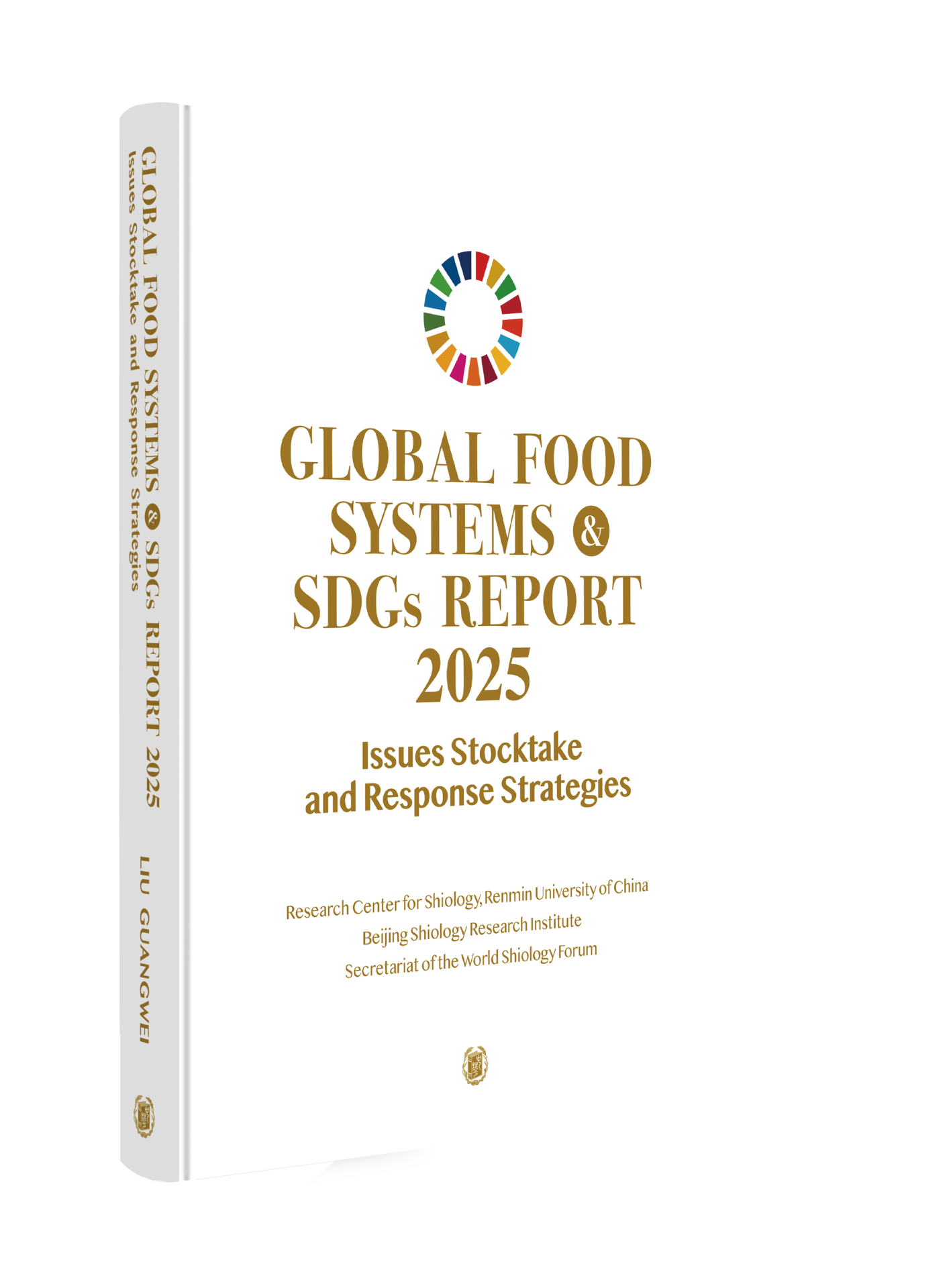
Figure 1 English Version of the Global Food Systems and SDGs Report
Beyond supplying holistic thinking for global shiance governance, the Report delivers notable advances compared with prior reports through its overarching theoretical framework, problem driven research methodology, clear implementation pathways and original core content. It constitutes a concrete measure to operationalize the Global Governance Initiative.
II. Shiology: Theoretical Foundation for Global Shiance Governance
Over its eight decade history, the United Nations has made remarkable achievements in global shiance governance. Specialized bodies including the Food and Agriculture Organization (FAO), the World Food Programme (WFP) and the International Fund for Agricultural Development (IFAD) were established to tackle shiance related challenges. These agencies have released influential shiance focused reports. For example, The State of Food Security and Nutrition in the World monitors global progress toward eradicating hunger and improving nutrition, yet gives insufficient weight to assessments of population health status. The World Health Statistics Report evaluates global health outcomes such as life expectancy and chronic disease mortality in line with SDGs, but largely overlooks shiance driven health determinants. The State of the Global Climate Report analyzes climate risks for society, economy and sustainable development without integrated analysis of food systems. Such reports commonly suffer from narrow analytical dimensions — a major root cause behind persistent failures to fundamentally resolve global shiance related problems.
The complexity of shiance related issues stems first from their cross disciplinary, cross sectoral and cross geographical nature. In his foreword to the Report, former UN Secretary General Ban Ki moon observes: “Food system problems are intricate: we grapple with long standing traditional challenges such as insufficient food supply alongside new threats including soil and water pollution; we face visible dilemmas like food waste as well as hidden afflictions such as chronic diseases stemming from overconsumption. We require a comprehensive knowledge system covering the entire food system. Shiology is exactly such a knowledge system.”
Shiology was founded by Chinese scholars in the early 21st century. Its core feature is treating eater food food order as an integrated whole. This tripartite framework overcomes limits inherent in conventional reports and fragmented disciplinary research. Agronomy centers on food production; nutrition science on food ingredients; economics on food markets; environmental science on food system ecological impacts. Disciplines operate in isolation with disjointed objectives, failing to deliver complete understanding or unified people centered goals. Shiology advocates an eater centered, cross disciplinary governance paradigm. All shiance research should return to human needs, examining food access and social order from the eater’s perspective and building an interdisciplinary knowledge system spanning nine disciplinary categories.
Global shiance governance guided by Shiology represents profound cognitive and practical transformation. It moves beyond single objective governance focused merely on “enough to eat”, applies the “greater food security outlook”, diversifies food sources, and coordinates food system management to advance food security, nutritional security, food product safety, ecological security and sovereignty security together. It strengthens human capacity to cope with shiance related risks toward a sustainable future.
UN Secretary General António Guterres commends the holistic principles of Shiology in his written message for the Fifth World Shiology Forum: “The holistic tenets of Shiology point the way toward pathways for human coexistence. Only by recognizing interdependencies between society, ecosystems and economies can we foster resilience amid crises and forge unity amid diversity.” Zhu Juwang, Director of the Public Institutions and Digital Government Division and Acting Director for Sustainable Development Goals, UN DESA, further notes: “This China originated Shiology framework, which treats eaters, food and food order as an integrated whole, delivers innovative knowledge and practical pathways for resolving global shiance dilemmas and delivering the Sustainable Development Goals.” Shiology furnishes solid academic grounding and theoretical norms for the Report.
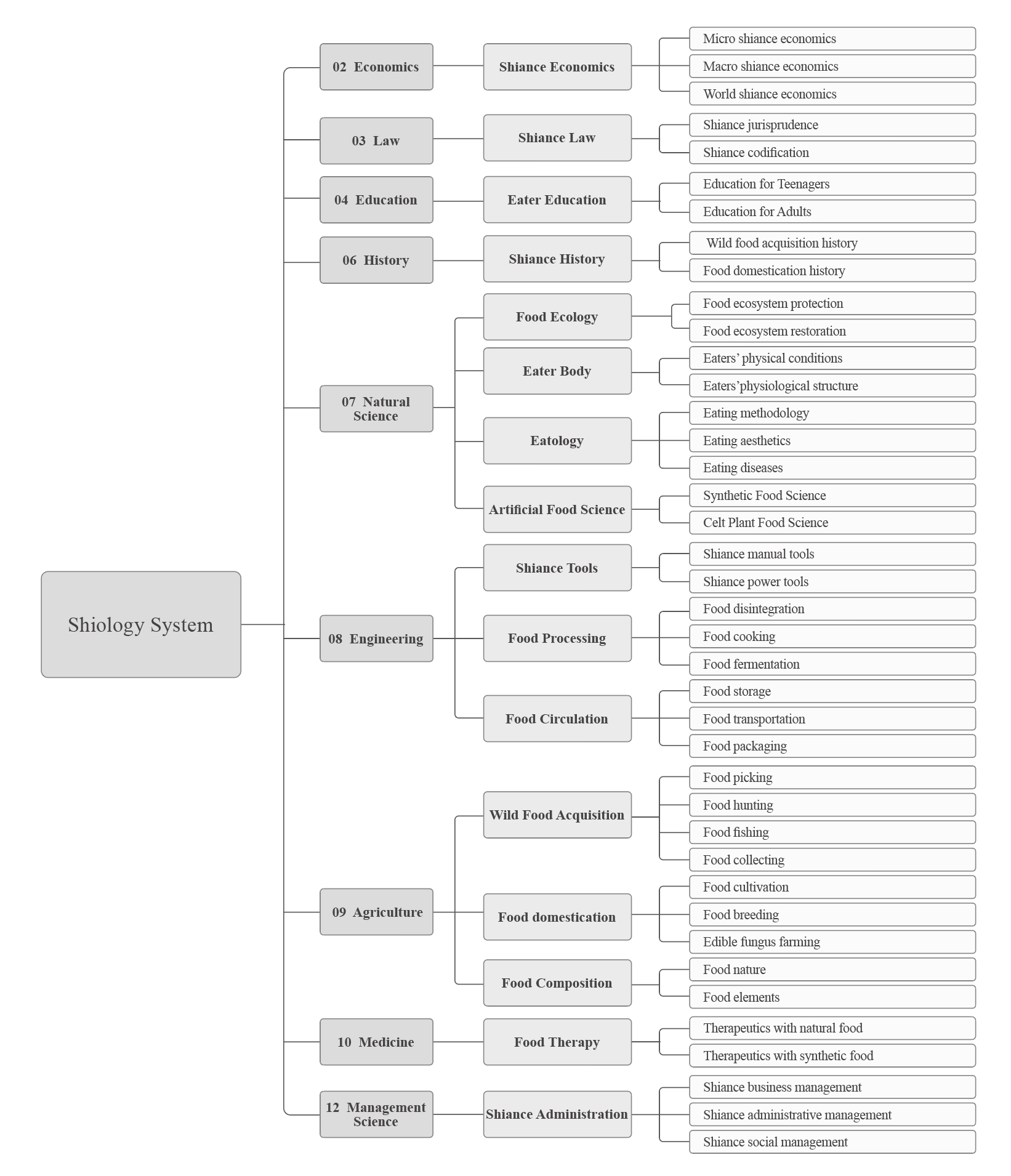
Figure 2 The Disciplinary System of Shiology
III. Compilation Mechanism and Research Pathways of the Report
Shiance related issues form a vital global governance domain. Rigorous practical pathways underpinned the Report’s development, including transnational collaborative mechanisms, an annual release schedule and innovative core content.
Work on the 2025 Report commenced in 2025, distinguished by transnational, interdisciplinary collaboration. Drawing expertise from specialists and scholars across 115 countries worldwide, the research team completed the Report in six phases: project initiation, problem stocktaking, expert outreach, data collection, report drafting and official launch.
Phase 1: Project initiation. In his address for the Fourth World Shiology Forum, UN Secretary General Guterres warned: “We face a global food crisis. We urgently need to transform our food systems to make them more sustainable, equitable and resilient.” This alert underscored the complexity, intractability and holistic nature of global food system challenges and called for research and action. The Report project was formally initiated to respond to global food system challenges.
Phase 2: Problem stocktaking. As a core workstream, the team conducted in depth investigations into national shiance conditions, organized multiple thematic workshops and framework revisions centered on global shiance governance. It established a “Three Eater Needs” analytical system covering eater survival security, eater health longevity and eater sustainability. The framework spans 195 countries across six hierarchical levels, identifying 89 categories of eater related shiance issues with standardized coding to underpin subsequent work.
Phase 3: Expert outreach. To guarantee accuracy and credibility, over four months the team carefully selected and invited more than 120 co drafters from 115 countries across Asia, Europe, the Americas, Africa and Oceania. These co drafters are senior shiance domain experts and scholars with deep academic accomplishments, practical experience and cutting edge research, providing robust intellectual support for high quality report development.
Phase 4: Data collection. Comprehensive data gathering and review covering 195 countries was undertaken aligned with the shiance issue framework. Sources include open datasets published by United Nations and international agencies plus country level statistics contributed by national experts. Multi source integration and cross validation secured authenticity, completeness and timeliness of datasets for report analysis and argumentation.
Phase 5: Report drafting. Grounded in Shiology, upon data consolidation the Report underwent three formal review rounds and 22 transnational workshops assessing problem framing, data quality and policy feasibility to safeguard academic merit and practical relevance. Seven chapters were finalized: Chapter 1: Food systems today: shortfalls in the five eater needs; Chapter 2: Shiology: A knowledge system for understanding food systems; Chapter 3: Food-system Issues: Eater survival - the civilizational baseline; Chapter 4: Food-system Issues: Eater health and longevity- a shared vision for humanity; Chapter 5: Food-system Issues: Eater sustainability intergenerational equity and long-term supply; Chapter 6: Dual-mapping: National Issue and Issue-solution; Chapter 7: Toward a community with a shared future for human food systems
Phase 6: Official launch. Released at the Fifth World Shiology Forum on 30 October 2025, the Report was handed over to Siddharth Chatterjee, UN Resident Coordinator in China, supplying theoretical references and practical pathways for global shiance governance.
Rigorous planning, orderly workflows and efficient transnational collaboration reflect the “holistic global governance” philosophy. Former UN Secretary General Ban Ki moon offered high praise: “This Report fully embodies multilateral cooperation spirit and shared mission — qualities indispensable for addressing today’s pressing food system challenges. It arrives at a critical moment as the 2030 deadline draws nearer.”
The Report establishes an implementation roadmap: issues stocktake → index construction → annual release. The 2025 edition delivers systematic stocktaking and coding of shiance related issues. The planned 2026 Report will build a “Five Eater Needs” index system for quantitative evaluation of national shiance performance. The “Five Eater Needs” — sufficient food access, safe food access, diversified food access, longevity oriented food access and sustainable food access — refine and advance the “Three Eater Needs” theory. The index system will generate comparable, trackable quantitative benchmarks across the five dimensions for national shiance governance reference. Adhering to annual publication, the long term program will progressively deepen research to supply scientific evidence and actionable guidance for global shiance governance.
This “stocktake index annual release” design follows a research logic moving from perception to action, from description to normative framing, and from analysis to synthesis. It furnishes a practical timetable and roadmap for global shiance governance. The research team will continue tracking evolving shiance related challenges and governance progress, advancing the annual report program to contribute insights and solutions.
IV. The “Three Eater Needs” Theory: Underlying Logic for Understanding Global Shiance-Related Issues
Through careful compilation, the Report achieves multiple theoretical and practical advances, innovatively constructing a “Three Eater Needs” analytical framework centered on the needs of 8 billion human beings. Summarizing universal human shiance demands, the three dimensions are: eating enough (food sufficiency), eating safe food (food safety), and eating for health (personal dietary fitness). Put forward at a 2025 Renmin University of China symposium on indigenous Chinese knowledge system achievements, these represent innate shared human aspirations.
· Eating enough (food sufficiency): focuses on food quantity, the foundational requirement for survival. FAO data show hundreds of millions worldwide still face hunger; insufficient food quantity remains an urgent humanitarian challenge.
· Eating safe food (food safety): focuses on food quality, the baseline for health. Roughly 3 billion people globally face food safety threats, and contaminated food causes 600 million cases of illness annually.
· Eating for health (personal dietary fitness): emphasizes individual body food matching. Given variations in human constitutions, genetics and lifestyles, healthy eating requires dietary alignment with individual physiological conditions.
The three dimensions are not merely parallel; they interact and build sequentially: food sufficiency forms the foundational guarantee; food safety establishes the health baseline; dietary fitness targets individual level wellbeing. Together they constitute a human wellbeing oriented analytical lens for understanding and governing shiance related challenges.
Unmet “Three Eater Needs” generate corresponding shiance related problems, which constitute the root of all human shiance related dilemmas. The 2021 book Introduction to Shiance-Related Issues (Xianzhuang Book Company) establishes a framework of “eater demand, food access and food order”, classifying global shiance related issues into 302 sub types across six hierarchical levels. A standardized coding system (two letter prefix “SI” for Shiance Issue plus a 12 digit numeric string) was defined across ten dimensions: hierarchy, sequencing, subject, domain, form, time, space, population subgroup, difficulty and weighting. Systematic classification and coding lay groundwork for holistic governance of shiance related issues and support the greater food security outlook and advancement of food industry civilization.
Building on this, the Report shifts analytical emphasis from the “eater demand – food access – food order” framework toward an eater centered system focused on eater survival needs, eater health longevity needs and eater sustainability needs. It develops the “Three Eater Issues” analytical system covering 89 categories of eater related shiance challenges. A revised coding scheme is deployed: two letter prefix “EI” for Eater Issue plus seven digit numeric codes mapping six hierarchical levels (two digits allocated for the complex sixth tier). Each issue is analyzed along four dimensions: phenomenon, contributing causes, harms and response strategies. For instance, for “insufficient food output (EI 1111000)”: Phenomenon: large scale hunger populations; Causes: extreme weather, natural resource constraints, biological threats and technological limitations; Harms: threats to human survival; Responses: expand arable land and aquaculture capacity, upgrade agricultural technologies, strengthen natural disaster prevention to lift overall food output.
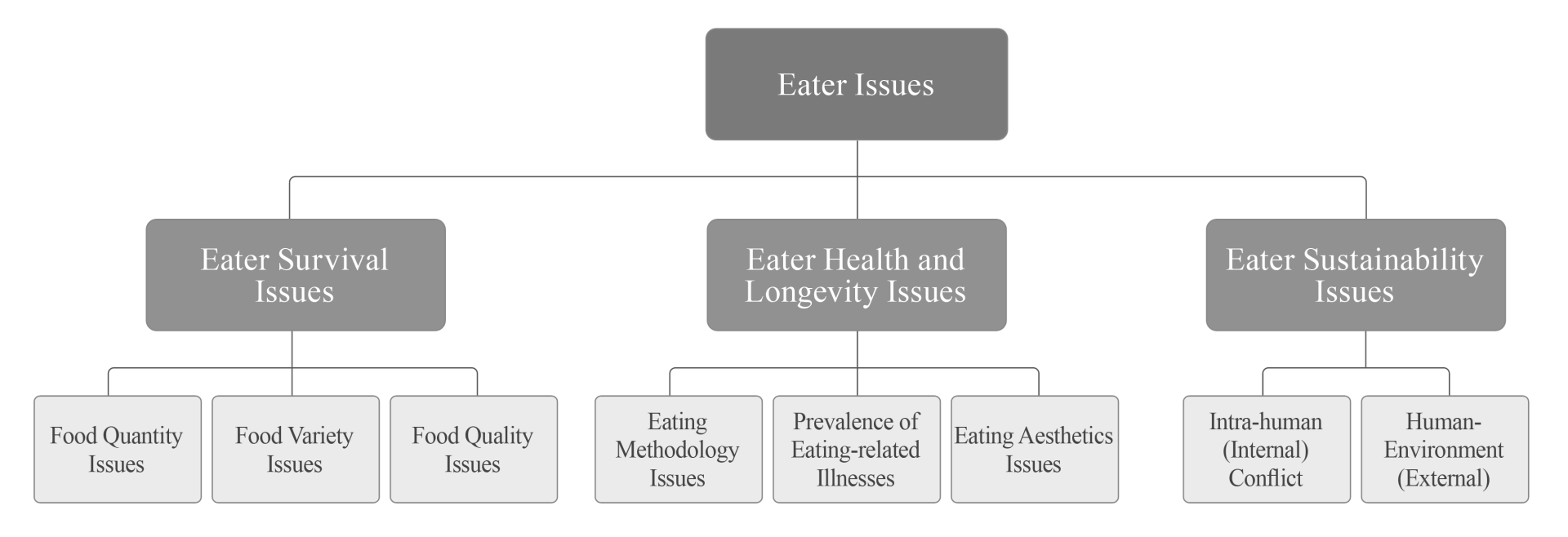
Figure 4 “Three Eater Needs” Issues System
This eater centered framework establishes foundational cognitive tools for global shiance related challenges and clarifies core human food related aspirations. Thirteen of the 17 UN Sustainable Development Goals are closely connected with shiance related matters. SDG 2 (Zero Hunger) and SDG 6 (Clean Water and Sanitation) are directly shiance focused, while eleven other SDGs bear strong relevance. Problem driven and oriented toward satisfying the “Three Eater Needs” of 8 billion people, the report avoids purely abstract theorization and grounds itself in real world global governance practice to advance SDG implementation.
V. The World Shiance System Quadrant Map: A Tool for Analyzing Global Shiance Landscape Patterns
Endowments and economic conditions differ widely across the world’s 194 countries and territories, leading to highly divergent national shiance profiles. No prior tool existed to visualize such diversity for comparative global analysis. To fill this gap, the report introduces the World Shiance System Quadrant Map. Its horizontal axis measures per capita national food resource endowment (objective conditions for satisfying survival oriented food needs). Its vertical axis measures national average life expectancy (a composite indicator reflecting shiance system utilization efficiency, with health and longevity as ultimate governance goals).
The axes divide the map into four quadrants:
Quadrant A (upper right): High per capita food resource endowment, high average life expectancy (40 countries, e.g. Uruguay, Spain)
Quadrant B (upper left): Low per capita food resource endowment, high average life expectancy (61 countries, e.g. Netherlands, Japan)
Quadrant C (lower left): Low per capita food resource endowment, low average life expectancy (45 countries, e.g. Namibia, Afghanistan)
Quadrant D (lower right): High per capita food resource endowment, low average life expectancy (48 countries, e.g. Jamaica, Uganda)
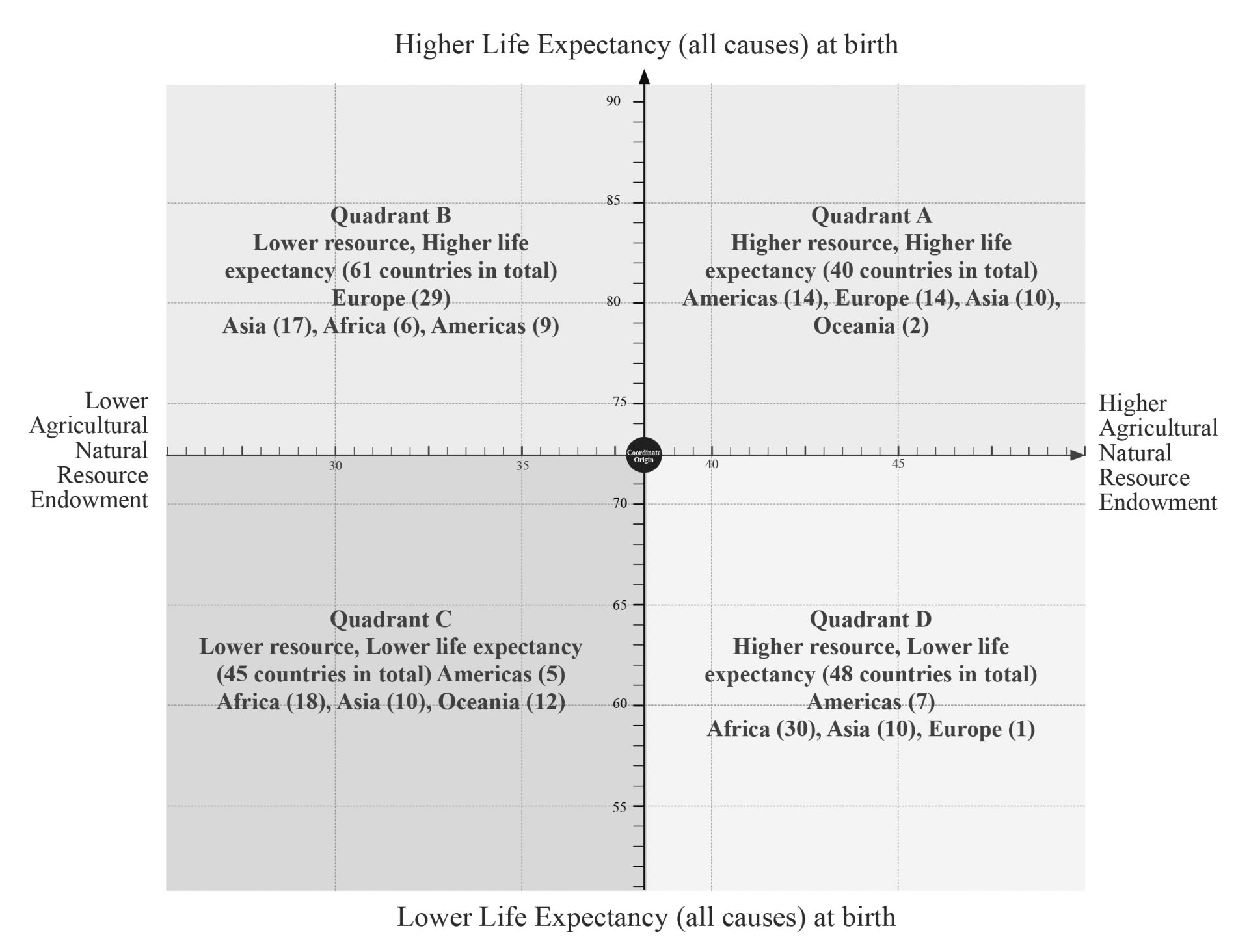
Figures 4 World Shiance System Quadrant Map
The quadrant map situates every nation within the global shiance landscape and reveals four major cross border flows:
1. Food flows: from Quadrants A & D toward Quadrants B & C. Food moves from resource abundant regions toward resource scarce regions via trade, aid and charity. Food functions both as commodity and survival good. These flows arise from combined market and humanitarian forces yet are constrained by trade barriers, transport costs and geopolitical tensions.
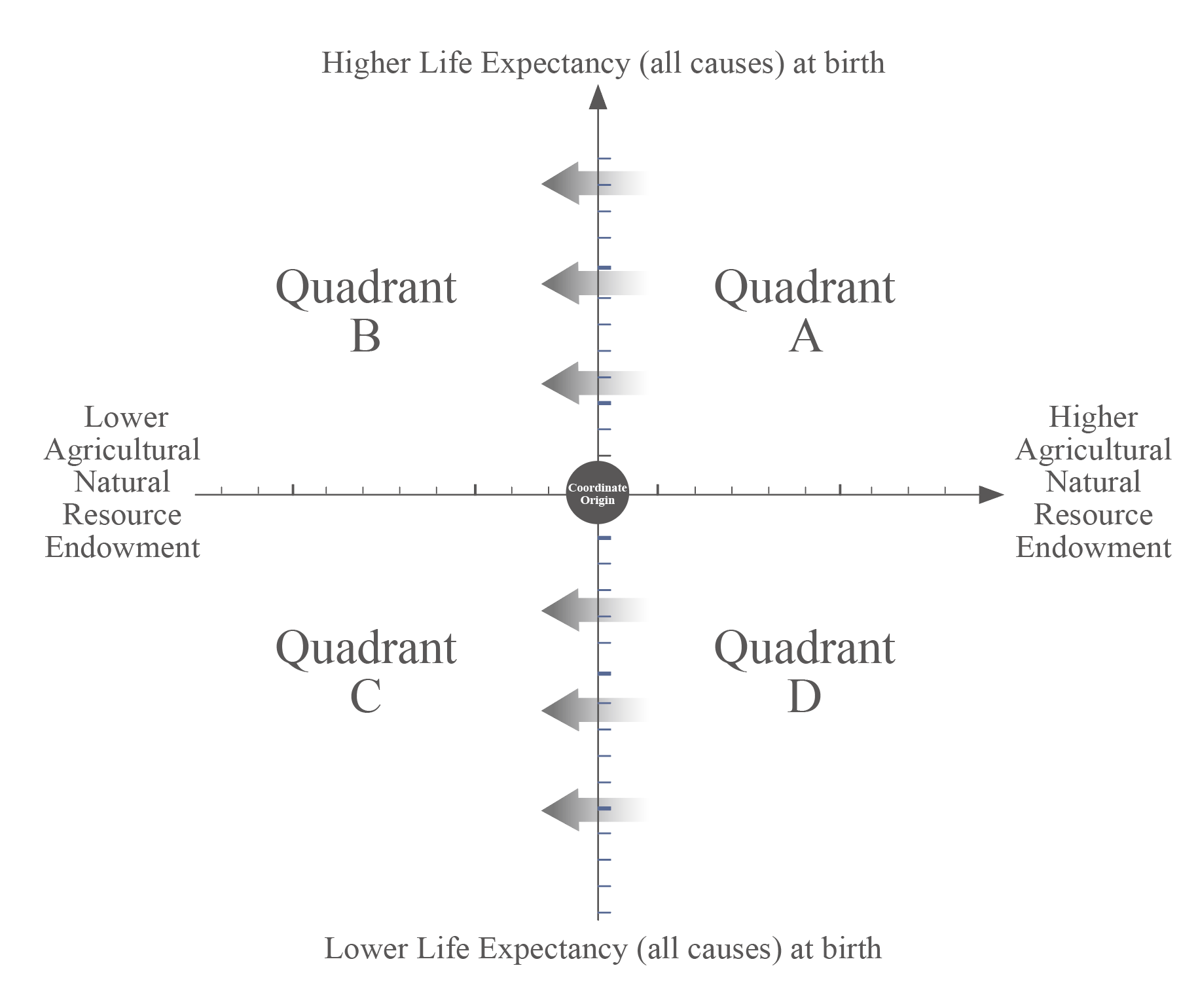
Figure-5 Sustenance-oriented Flows in Food Systems
2. Governance experience flows: from Quadrants A & B toward Quadrants C & D. Governance know how and technologies diffuse from countries with high life expectancy outcomes toward those with low life expectancy. This diffusion enables capacity transfer yet faces knowledge divides between the Global North and Global South plus risks of poorly adapted transplanted governance models.
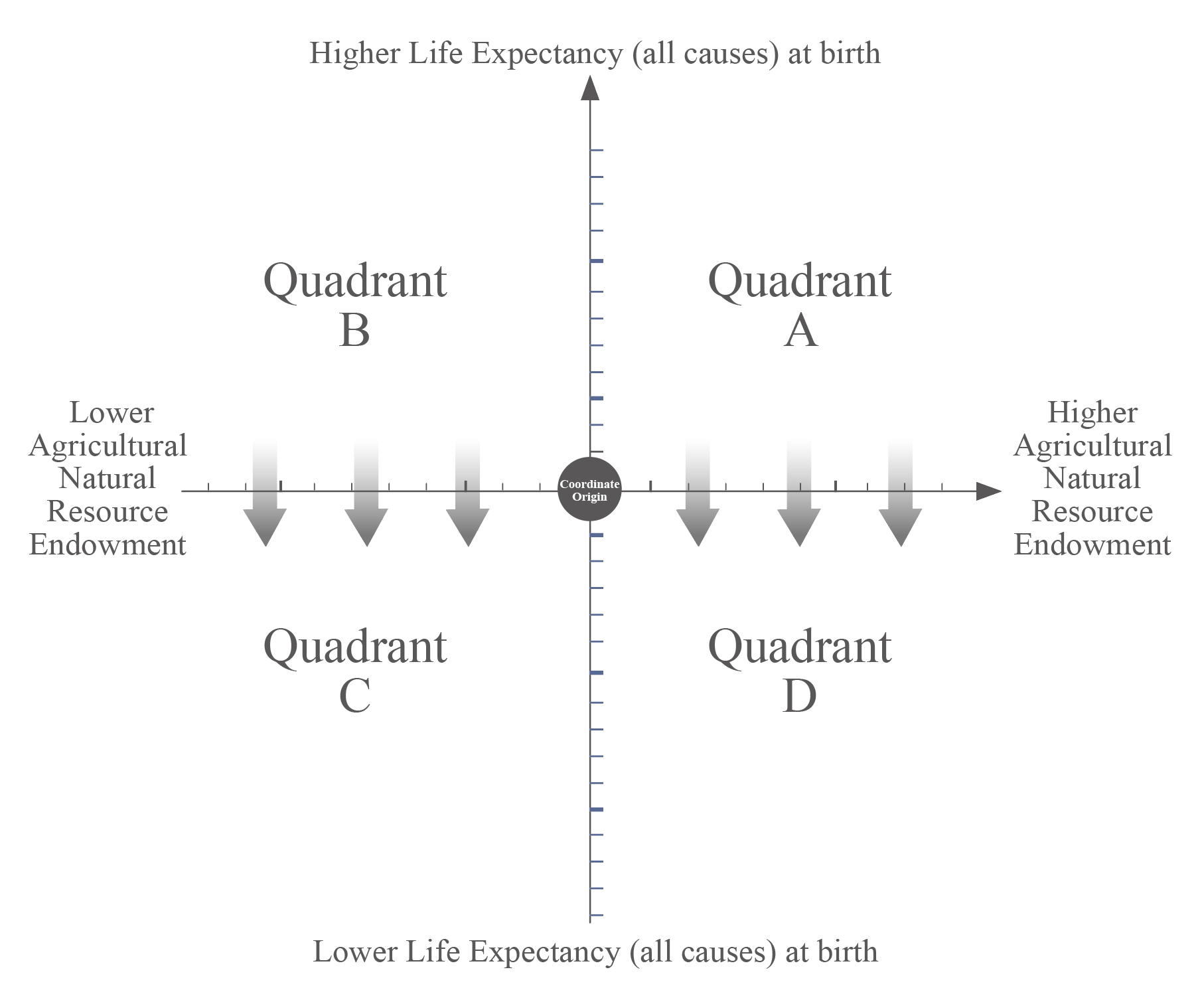
Figure 6 Governance-capability Diffusion Flows in Global Food Systems
3. Human population flows: from Quadrants B & C toward Quadrants A & D. From a shiance perspective, human migration tends to move from food resource scarce territories toward food resource abundant territories, reflecting survival driven instincts echoing ancient human migrations and modern era migration patterns. It meanwhile creates social integration and resource access challenges for receiving societies.
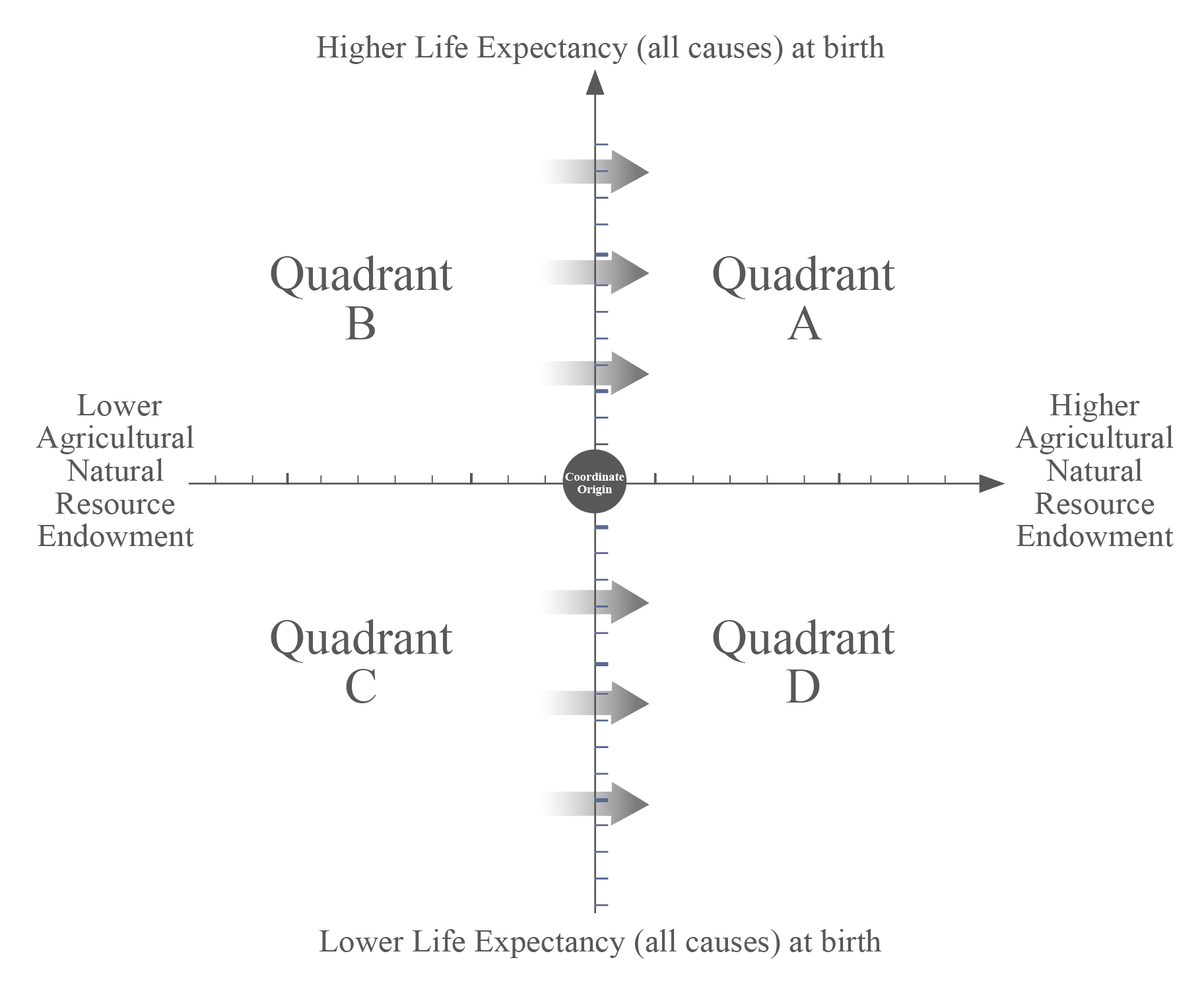
Figure 7 Food-system-induced Population Flows in Global Food System
4. Governance aspiration trend: upward trajectory for all Quadrants A D. Regardless of quadrant placement, every nation and all peoples aspire toward greater health and longevity. This shared vision defines the report’s long term objective: substantial improvement of human life expectancy across the 21st century enabled by science, technology and digital innovation.
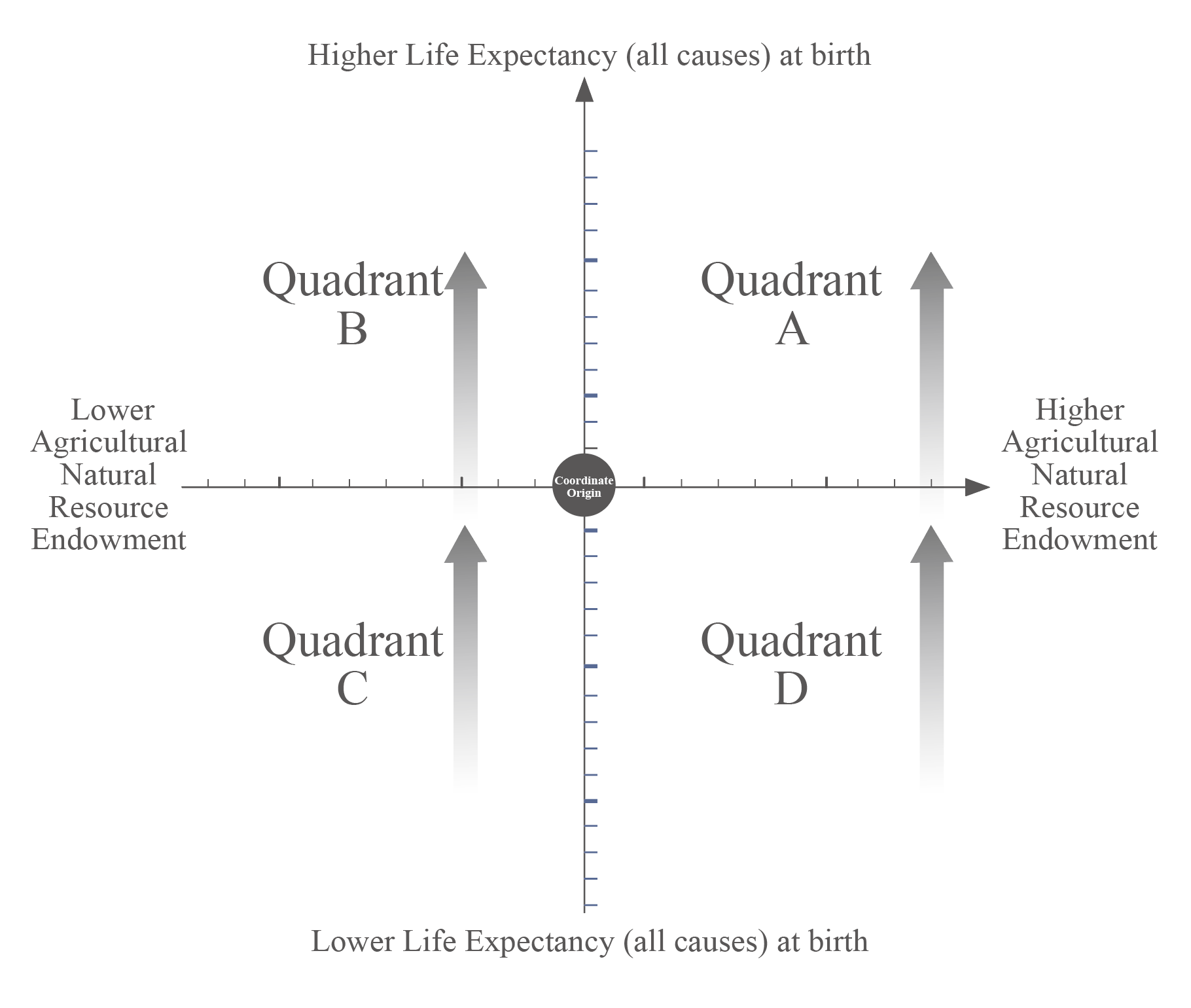
Figure 8 21st century Global Objective of Food Systems
The World Shiance System Quadrant Map delivers theoretical contributions on three levels: First, it establishes a holistic cognitive system and operational comparative framework integrating national shiance profiles worldwide. Second, it advances eater oriented analysis tracing pathways from food sufficiency toward dietary health, anchored in shared human food related wellbeing. Third, it supplies a concise practical tool for cross national comparative shiance research, laying foundations for understanding global food flows, governance support dynamics and human migration patterns.
Practically, the map enables individual nations to pinpoint their global shiance positioning and identify priority domestic shiance related challenges. It supports consensus building toward collaborative governance to resolve national shiance problems and deliver the “Three Eater Needs” for 8 billion people.
VI. Conclusion
Shiance related issues underpin human survival and shape global development trajectories. The report constitutes a systematic response to these complex challenges. Drawing on Shiology as theoretical bedrock, the “Three Eater Needs” orientation and the World Shiance System Quadrant Map as analytical instrument, this paper elaborates holistic governance pathways for shiance related issues.
Three major values emerge from this approach: First, it enables paradigm shift: shiance related problems are freed from siloed agricultural, health sector and environmental lenses and re framed as integrated, eater centered systems requiring comprehensive review. Second, it delivers practical analytical instruments. The “Three Eater Needs” theory and quadrant map tool allow nations to diagnose national shiance conditions and uncover underlying rules governing global food flows, governance knowledge diffusion and human migration. Third, it provides clear actionable roadmaps. The “stocktake index annual release” long term program offers implementable practice pathways for global shiance governance.
Looking ahead, further progress on global shiance governance requires sustained efforts along three lines:
1. Refine global monitoring and assessment systems built on the “Three Eater Needs”, quantifying shiance governance outcomes into comparable, trackable indicators.
2. Foster inclusive, efficient multilateral cooperation mechanisms to facilitate rational flows of food trade, governance related expertise and technological innovation.
3. Deepen disciplinary development of Shiology, so that holistic thinking on shiance related challenges gains wider academic consensus and informs policy making.
Global governance of shiance related issues calls for joint state action under United Nations frameworks, advancing global shiance governance from fragmentation toward holism, moving from consensus building to joint implementation. Against profound shifts in global governance architectures and the critical implementation phase of the UN 2030 Agenda for Sustainable Development, theoretical innovation and practical exploration for global shiance governance carry important contemporary significance.
References
[1] Wu Zhicheng, Zhang Junsu. Core Tenets of the Global Governance Initiative[J]. Contemporary World and Socialism, 2026(1):46 55.
[2] Upholding Extensive Consultation, Joint Contribution and Shared Benefits to Reform and Improve Global Governance[N]. People’s Daily, 12 Oct 2025(02).
[3] Yu Haomiao, Yang Yi, Xu Xiuli. China’s Role in Global Agricultural Governance[J]. Journal of China Agricultural University (Social Sciences Edition), 2019,36(1):101 110.
[4] He Min, Li Li. Food security Global Governance: Evolution, Dilemmas, Transformation and China’s Engagement Pathways[J]. Nanda Asia Pacific Review, 2025(1):57 101.
[5] Xi Jinping. Selected Works of Xi Jinping (Volume I)[M]. Beijing: People’s Publishing House, 2023:104.
[6] The Global Governance Initiative: Timely, Guiding and Responsibility Driven[N]. People’s Daily, 02 Sep 2025(04).
[7] Guterres A. Message from the United Nations Secretary General for the Fourth World Shiology Forum[M]//Global Food Systems and SDGs Report. Beijing: China Renmin University Press, 2025:ii.
[8] Guterres A. Message from the United Nations Secretary General for the Fifth World Shiology Forum[M]//Global Food Systems and SDGs Report. Beijing: China Renmin University Press, 2025:ii.
[9] FAO, IFAD, UNICEF, et al. The State of Food Security and Nutrition in the World 2025: Addressing high food price inflation for food security and nutrition[EB/OL].(2025 07 28)[2026 03 04]. https://doi.org/10.4060/cd6008en.
[10] World Health Organization. World Health Statistics 2025: monitoring health for the SDGs, Sustainable Development Goals [EB/OL]. (2025 05 19)[2026 03 04]. https://www.who.int/publications/i/item/9789240110496.
[11] World Meteorological Organization. State of the Global Climate 2025 [R/OL]. 2026. https://library.wmo.int/idurl/4/69807.
[12] Ban Ki moon. Preface I: Sustaining Food Systems for Health and Peace[M]//Global Food Systems and SDGs Report. Beijing: China Renmin University Press, 2025:xvii.
[13] Liu Guangwei. Positioning Shiology: explicit establishment of the implicit shiance knowledge system[J]. Journal of Shanxi Agricultural University (Social Science Edition), 2025,24(5):26 36.
[14] Zhou Li. Indigenous knowledge system Shiology and holistic shiance governance — reading Liu Guangwei’s Shiology column[J]. Journal of Shanxi Agricultural University (Social Science Edition), 2023,22(1):1 6.
[15] Xinhuanet. Fifth World Shiology Forum opens in Hainan; Global Food Systems and SDGs Report (2025) released [EB/OL]. (2025 10 29)[2026 01 02]. http://www3.xinhuanet.com/food/20251029/5f6d5dbcf00940f6b08820de1010f663/c.html.
[16] Liu Guangwei. Introduction to Shiance Related Issues[M]. Beijing: Xianzhuang Book Company, 2021:4. [17] Liu Guangwei. Systematic Governance of Major Food Related Problems[M]. Beijing: People’s Publishing House, 2024:1 4.