
Every night, over 735 million people go to bed hungry; globally, 2.4 billion people are confronting the threat of food insecurity. The food system accounts for one-third of global greenhouse gas emissions, consumes 70% of freshwater resources, and stands as one of the primary drivers of biodiversity loss and land degradation.
These seemingly contradictory realities starkly reveal a troubling convergence: the interwining of food security and ecological crises is pushing humanity into an intractable dilemma.

At the 5th World Shiology Forum, Siddharth Chatterjee, UN Resident Coordinator in China, made a clear appeal: "Only by embracing Shiology as the guiding philosophy and uniting global actions can we resolve this existential crisis that concerns both humanity and the planet."
With less than five years remaining to achieve the 2030 Sustainable Development Goals (SDGs), these goals will be unattainable unless we rethink how we produce, distribute, and consume food.
Shiology: The Symbiotic Link Between Humanity and Earth
Amidst the crisis, the establishment of the discipline of Shiology has charted a course for the transformation of the global food system.
From a Shiology perspective, food is never merely "sustenance to fill the stomach"; it is the intersection of health, culture, ecology, and social well-being. It constantly reminds us that every meal on the table is linked to the natural cycle, community development, and the future of generations to come.
Shiology is highly aligned with the United Nations’ systematic approach—challenges such as food security (SDG 2), climate action (SDG 13), health care (SDG 3), gender equality (SDG 5), and sustainable consumption (SDG 12) can never be addressed in isolation; they are interdependent and mutually influential.
Thus, Shiology advocates not fragmentation and exploitation, but systematic thinking and harmony. Covering eaters’ needs, food access, and food-related governance, Shiology integrates humanity’s fragmented and compartmentalized understanding of food issues into a holistic framework, promoting a comprehensive perspective to study and tackle all food-related challenges.
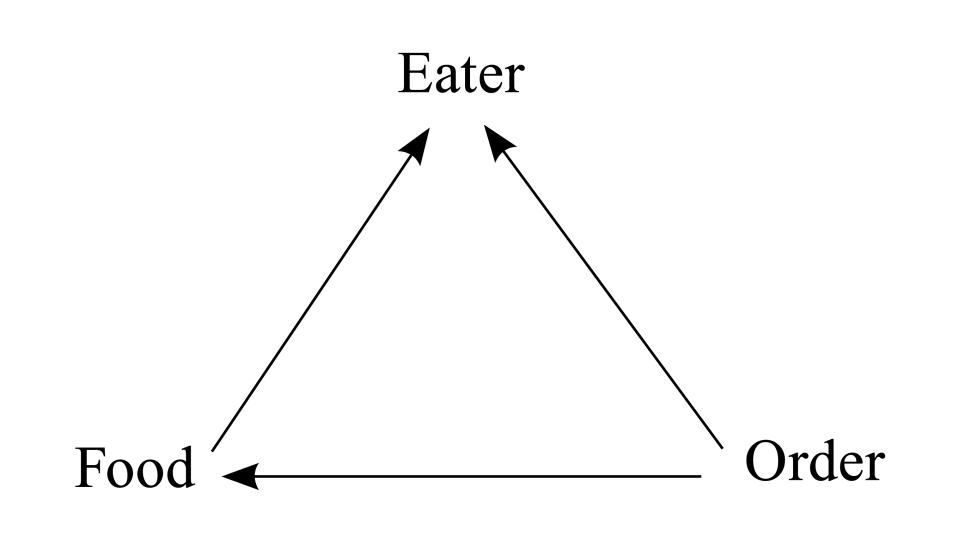
Four Action Directions: A Global Path Led by Shiology
1. Addressing the Two-Way Link Between Climate and Food
Climate change exacerbates food insecurity, while unsustainable food production further intensifies the climate crisis, creating a vicious cycle. To practice Shiology, we must fully promote agricultural models with strong climate resilience and low carbon emissions. More importantly, we must safeguard the rights and interests of smallholder farmers—the backbone of global food production—by equipping them with resources and technologies to adapt to climate change, increase incomes, and achieve prosperity.
2. Protecting and Revitalizing Food Heritage
Shiology’s holistic perspective focuses not only on the present but also draws wisdom from tradition. From China’s rice-fish symbiosis systems to terrace farming in the Andes Mountains, traditional food systems embody thousands of years of survival wisdom. Protecting and revitalizing food heritage means harnessing strength from tradition to drive resilience-based innovation.
3. Enhancing National Literacy and Education on Food
The transformation of the food system begins with the cognitive empowerment of every individual. Whether integrating food education into school curricula or guiding consumers toward healthier, more environmentally friendly choices, these efforts can gradually reshape society’s values regarding food, nutrition, and the environment. Shiology education plays a pivotal role in this process.
4. Promoting Inclusive Innovation
The ultimate goal of Shiology is to realize the prosperity of all humanity, which requires technological innovation to uphold the principle of inclusivity. Innovative solutions—such as digital tools, biotechnology, and sustainable finance—must benefit women, youth, and marginalized farmers, who are the most critical yet often overlooked stakeholders in food system transformation.
The transformation of the food system is never the responsibility of any single country or institution; it is a collective mission of all humanity. Governments, the private sector, academia, civil society, and the United Nations must collaborate synergistically and build consensus.
The food system forms a complete cycle: "from the field to the table, from the table to the stomach, and from the stomach back to the field." Advancing its transformation is an urgent imperative.
At a critical juncture of advancing the Pact for the Future, revitalizing Our Common Agenda, and preparing for COP30, the Global Food System and Sustainable Development Goals (SDGs) Report offers timely actionable guidance for global food system transformation.
Contact Person: Mr Zhang E-mail: Secretariat@shiology.world