
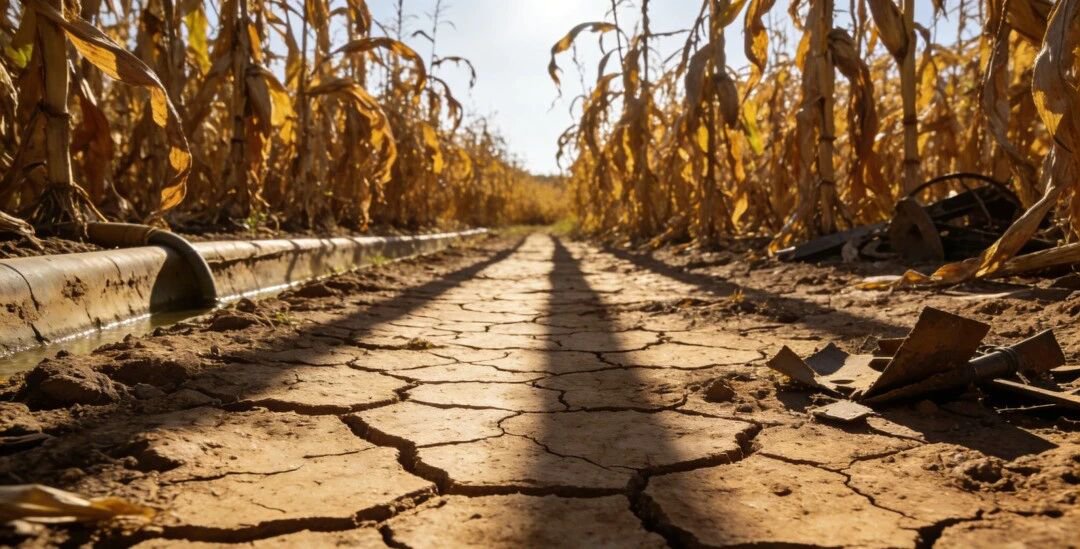
Have you noticed how unusual the weather has become in recent years? Summer heatwaves keep breaking records, winter cold snaps fluctuate unpredictably, and extreme storms and droughts frequently make headlines, causing widespread disruption. While we might only feel discomfort or occasionally grumble about the weather, few realize that these climate changes—seemingly unrelated to our daily meals—are quietly undermining the very foundation of our food system. Crop production, food safety, and the future of every bite we eat are all being subtly reshaped by the changing climate.
In October 2025, at the 5th World Shiology Forum, Liu Zhenmin, China’s Special Envoy for Climate Change, delivered a keynote speech that unveiled the deep connections between climate and food security. He stressed that the intertwined challenges of climate and food demand a united global response.

How Is Climate Change Challenging Food Production?
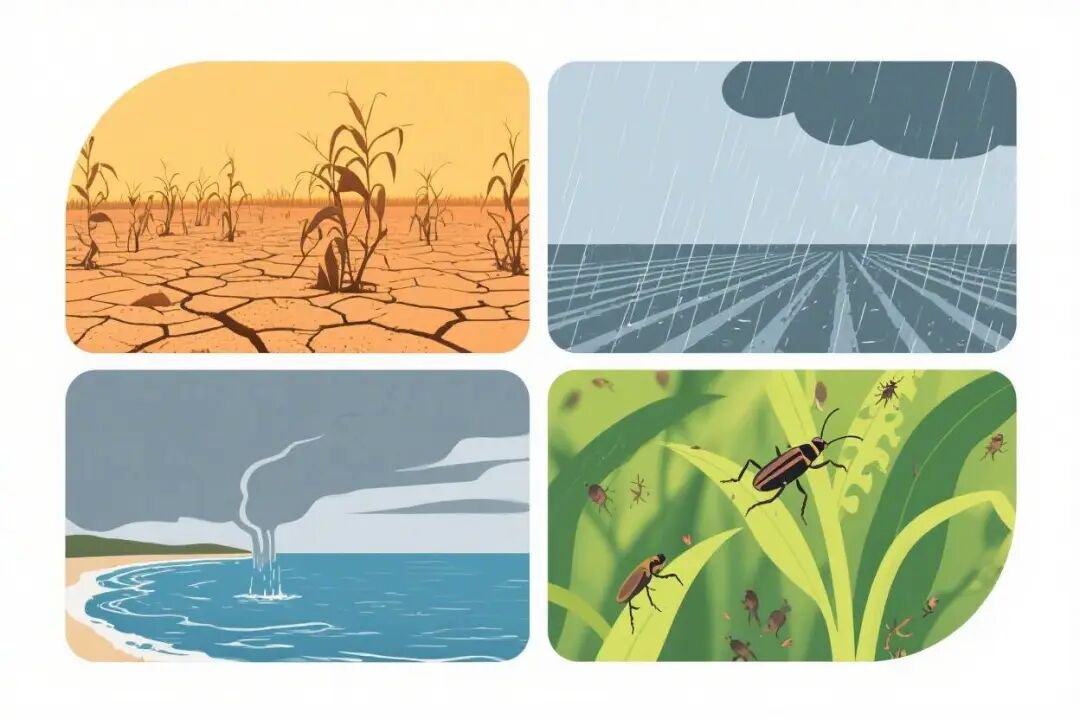
We often say we“rely on the weather for food,”but today's weather is increasingly difficult to predict—or manage. These effects are not distant forecasts; they are unfolding around us, primarily in four ways, each directly impacting our tables:
These impacts are already evident worldwide:
Food Production Is Also Driving Climate Change
It’s not just climate affecting food—our current agricultural practices are quietly accelerating global warming.
Many may not realize that crop cultivation and livestock farming (such as pig and cattle farming) are humanity’s most extensive land-use activities. To feed a growing population, we expand farmland and increase yields, ensuring food security—but also creating new risks:
Agricultural production emits large amounts of greenhouse gases, disrupts natural ecological balances, and reduces biodiversity. In other words, our efforts to feed ourselves are, to some extent, worsening the climate.
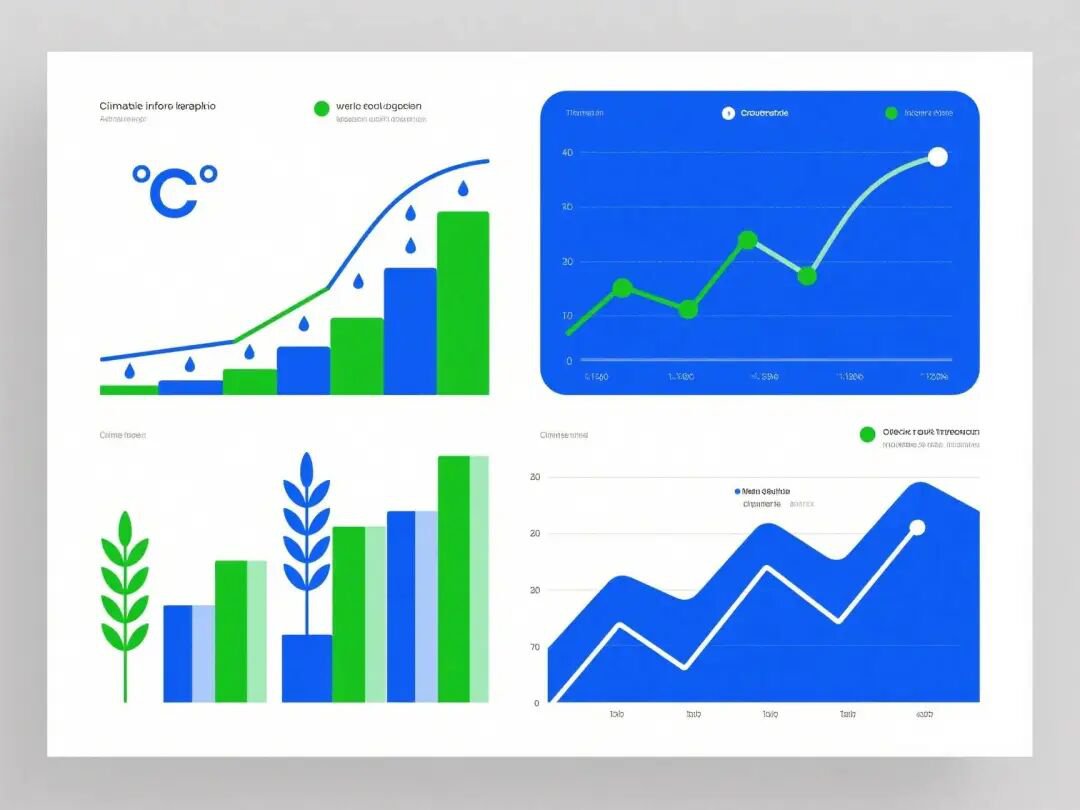
The Dilemma of Developing Countries Amid Global Action
In recent years, the world has made strides to address the “climate + food” challenge:
While commendable, reality remains harsh. Developing countries, which need help most, are often powerless to act.
As a responsible developing country, China attaches great importance to sustainable development and climate action. President Xi Jinping announced China’s “dual carbon” goals at the 75th UN General Assembly. Over the past five years, China has implemented strategic plans and policies in sustainable energy, energy efficiency, industrial upgrading, and carbon sequestration, achieving significant results.
China consistently balances emission reduction with adaptation. Given the country's diverse climates, regional differences, and fragile ecosystems, it promotes low-carbon agricultural production and strives to adapt to climate change challenges. In 2024, China issued the Action Plan for Improving Meteorological Disaster Risk Warning Capacity (2025–2027), initiating pilot surveys and zoning for agricultural climate resources in multiple provinces.
Protecting Our Food Supply Is Protecting Our Future
Climate change is a global challenge; no country or individual can remain untouched. Food security is humanity’s shared bottom line—none of the world’s 195 countries can achieve complete self-sufficiency across all seven major food categories. We are already an interconnected “community of shared destiny.”
The stability of the food system affects everyone’s sustenance. Addressing climate change safeguards the future of our children’s tables. The World Shiology Forum serves as a vital platform, bringing together global expertise to coordinate action, promote climate-smart agriculture, and explore feasible solutions to global food and climate challenges.
Individually, we may not be able to alter global climate patterns, but we can make a difference in small ways: cherish every grain of food, practice low-carbon lifestyles, and respect nature’s gifts. These small actions, accumulated across society, can grow into a powerful force protecting our tables and our planet.
Let us honor nature and value food, so every meal brings reassurance, every field withstands the storms, and food security harmonizes with climate resilience for the benefit of all humanity.
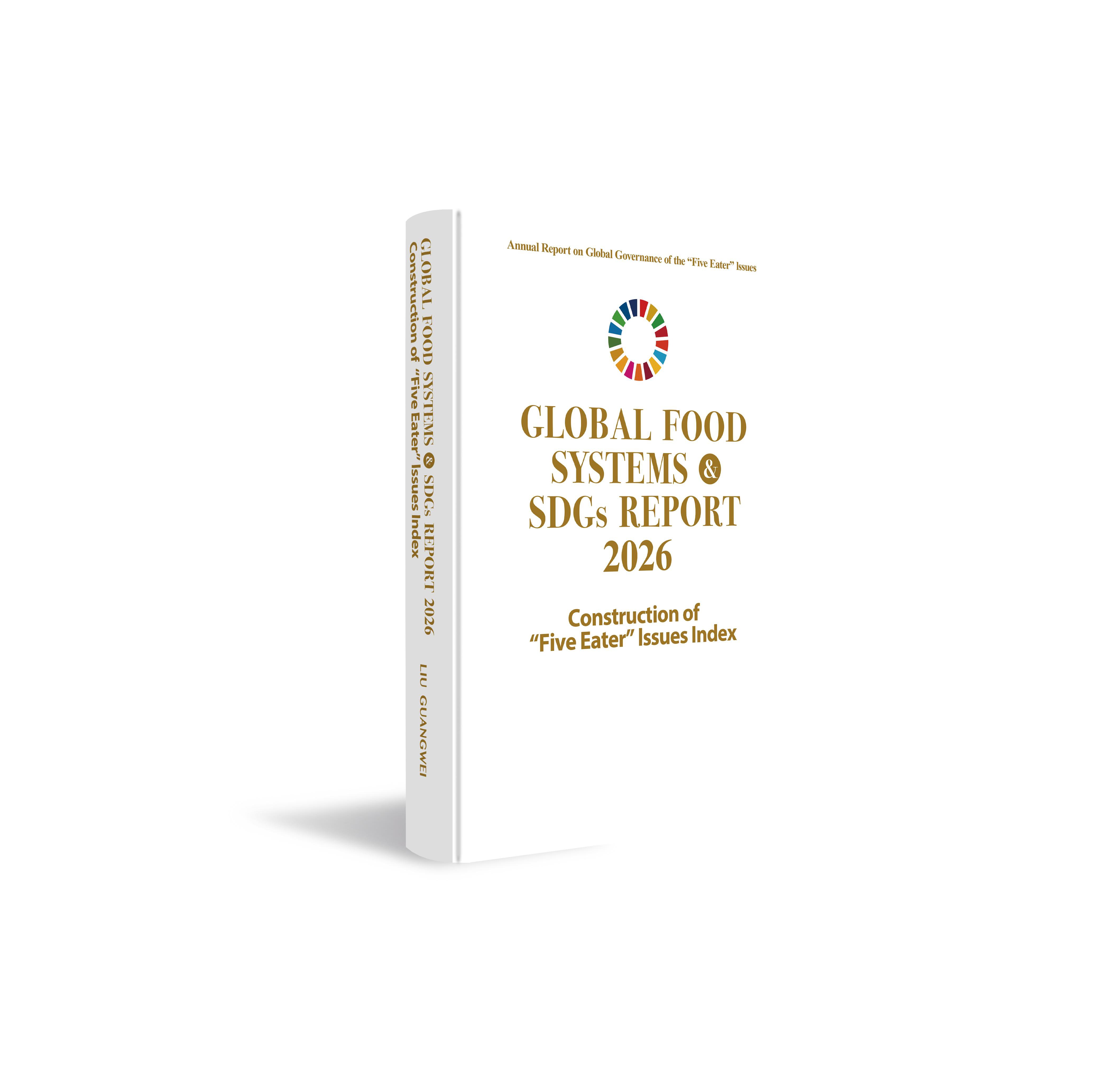
The 2025 Annual Report on Global Governance of the “Five Eater Issues”, themed Global Food Issues Inventory, identified 89 food-related challenges affecting 8 billion people across 195 countries, highlighting climate change as a critical factor for sustainable food systems. Building on this, the 2026 report will establish a Five Food Issues Index, using data-driven analysis to assess the deep impact of climate change on food systems and provide more precise support for resilient and sustainable food governance.
We invite you to join the 2026 Annual Report on Global Governance of the “Five Eater Issues” as a contributing institution or co-author. Together, let us work to build a more resilient global food system.
Contact Person: Mr Zhang E-mail: Secretariat@shiology.world