
On March 19, 2026, Prof. Walter Belik, Deputy Director-General of the Zero Hunger Institute (IFZ) and senior economist at the University of Campinas (UNICAMP), together with Emiliano Graziano, Co-founder and Board Member of IFZ and an agricultural engineer with a Master’s degree in Environment and Sustainability (ESG), held an online dialogue in Ibirapitanga, Brazil. The discussion focused on Shiology and explored forward-looking solutions for global food security, nutrition, and sustainable development.
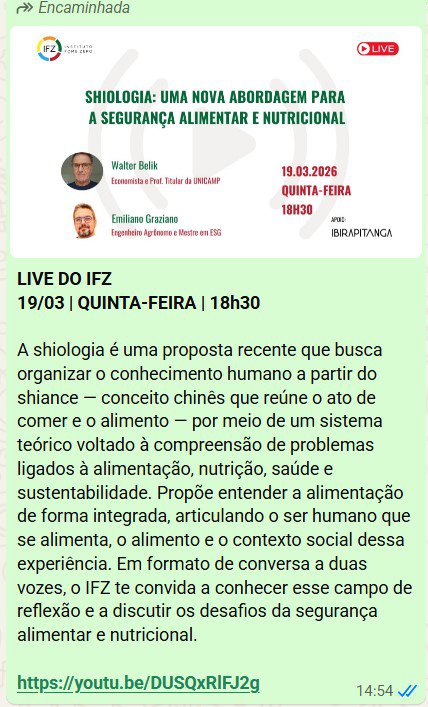
Shiology is an emerging theoretical framework centered on the concept of “shi”—originating from Chinese thought—which encompasses both food itself and the act of eating. It provides an integrated system for understanding issues related to diet, nutrition, health, and sustainability. By adopting a holistic perspective, Shiology connects the eater, food, and the broader social environment, overcoming fragmented approaches that traditionally separate production, distribution, and consumption. In doing so, it offers a more practical and coherent foundation for global food governance.
During the discussion, the two experts highlighted the “triple monotony” facing contemporary food systems: the concentration of crop production, the standardization of livestock systems, and the homogenization of dietary patterns. Combined with rapid urbanization and the widespread consumption of ultra-processed foods, these trends have led to structural imbalances—where undernutrition and obesity coexist, and diet quality continues to decline.
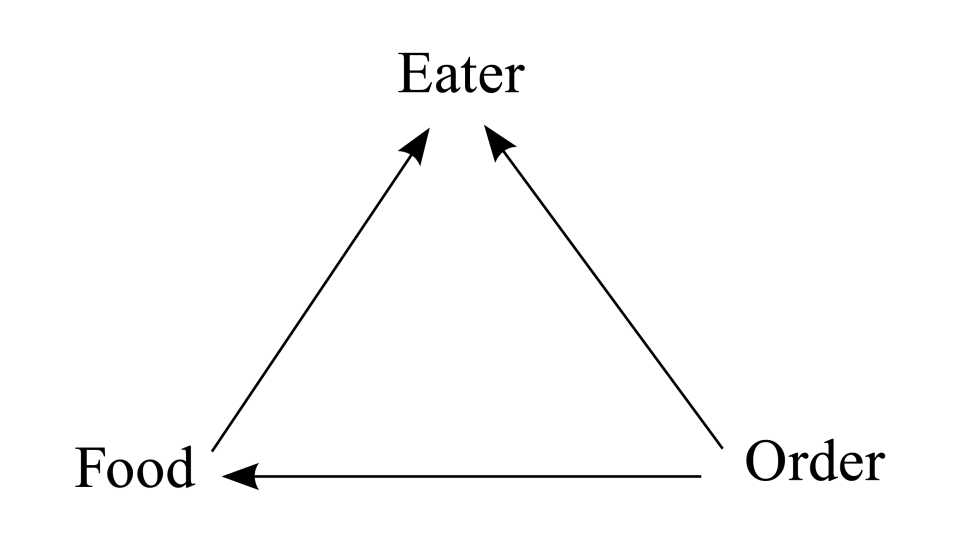
By placing the eater at the center of analysis, Shiology re-integrates physiological needs, cultural practices, and material conditions. This perspective provides a new pathway for addressing food insecurity, improving public policy, and building healthier food environments.
At the same time, Prof. Walter Belik published an article titled “Food Security in Brazil: A Shiology Perspective” on the official platform of the Zero Hunger Institute (IFZ). The article offers a historical analysis of poverty, food security, and health promotion in Brazil, further demonstrating the value of Shiology in integrating the full chain of food systems—from production to distribution and consumption—and in advancing more equitable, diverse, and sustainable food systems.
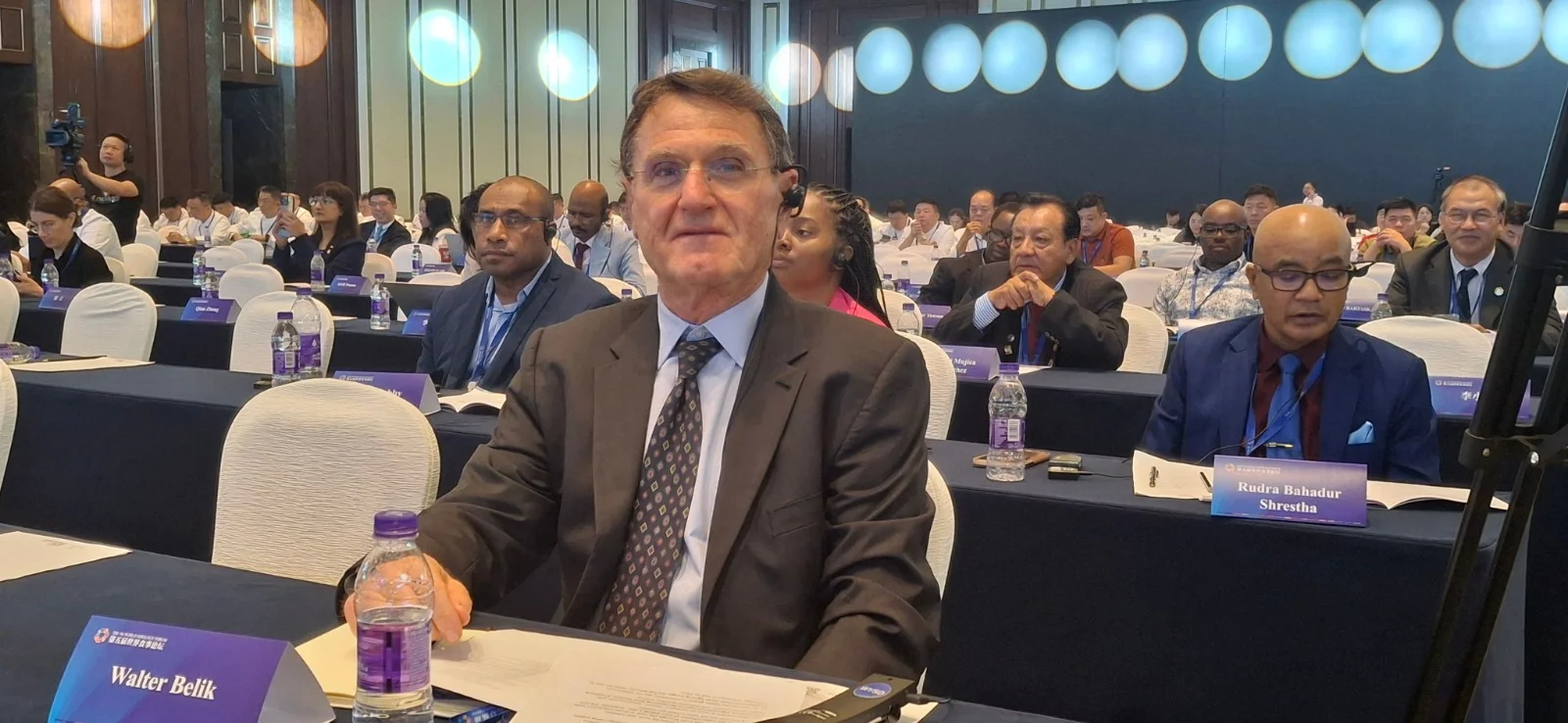
The article emphasizes that food security is not merely a matter of sufficient supply. It is a complex issue that encompasses economic, cultural, health, and environmental dimensions. By bringing the act of eating back to the center, Shiology redefines food as a fundamental link between individuals and society, between survival and public life. It provides a more comprehensive and socially grounded theoretical basis for shaping food and nutrition policies worldwide and for advancing health promotion.
Link to Prof. Walter Belik’s article (Portuguese): https://ifz.org.br/seguranca-alimentar-no-brasil-uma-leitura-shiologica/
Link to Prof. Walter Belik’s article (English) : http://shiology.easteat.com/Food%20Security%20in%20Brazil.pdf
Contact Person: Mr Zhang E-mail: Secretariat@shiology.world