

We often say, “Disease enters through the mouth” and “prevention is the priority.” But why does disease enter through the mouth? What should we prevent? And where should we start? Most people are at a loss.
The six major factors of human disease are: genetics, environment, diet, temperature, exercise, and mindset. Among them, genetics and environment are objective factors, while diet, temperature, exercise, and mindset are subjective factors. Diet is one of the most important contributors to disease.
Diseases caused by eating are called “eating diseases”.
“eating diseases” is a core conceptual term in Shiology. It refers to abnormal physical conditions caused by improper food or improper eating behavior. It includes not only diseases caused by food itself, but also those caused by ways of eating.
Shifting cognition: from treatment to prevention
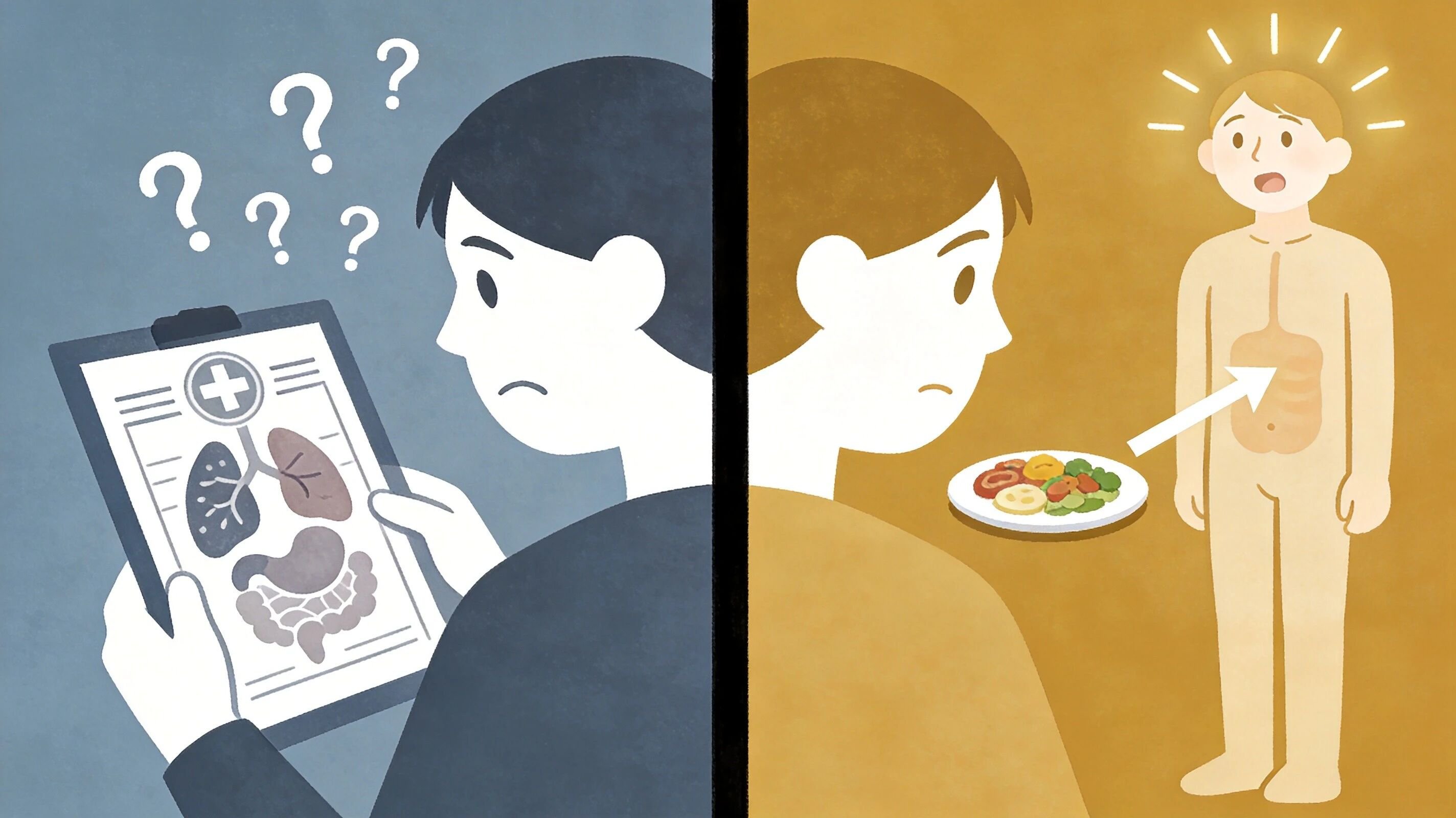
Traditional diseases are usually named after symptoms, such as diabetes, hypertension, and hyperlipidemia. After diagnosis, patients often only know the outcome of the disease and focus on treatment, without understanding its root causes.
In contrast, “eating diseases” name illnesses from the perspective of their causes, directly pointing to the source of disease. This not only supports treatment but also guides proactive prevention, offering strong value for health management. “Eating diseases” include six major categories: undereating-induced diseases, overeating-induced diseases, foodborne diseases, selective eating-induced diseases, food allergy diseases, and anorexia diseases.
The principle of “eating diseases” in Shiology states that “eating is one source of human disease; improper food and improper eating behavior can cause illness and threaten health, while correct eating practices can prevent disease.”
Preventing the Six Types of “Eating Diseases”
01. Undereating-induced diseases


The undereating-induced diseases refer to abnormal physical conditions caused by insufficient food intake. UN Secretary-General António Guterres noted at the Fifth World Shiology Forum that an estimated 673 million people still go to bed hungry each night. In many regions, food prices are continuing to climb, and famine has taken hold in Gaza and Sudan. Hunger is a major cause of undereating-induced diseases, and long-term food shortage leads to malnutrition.
02. Overeating-induced diseases
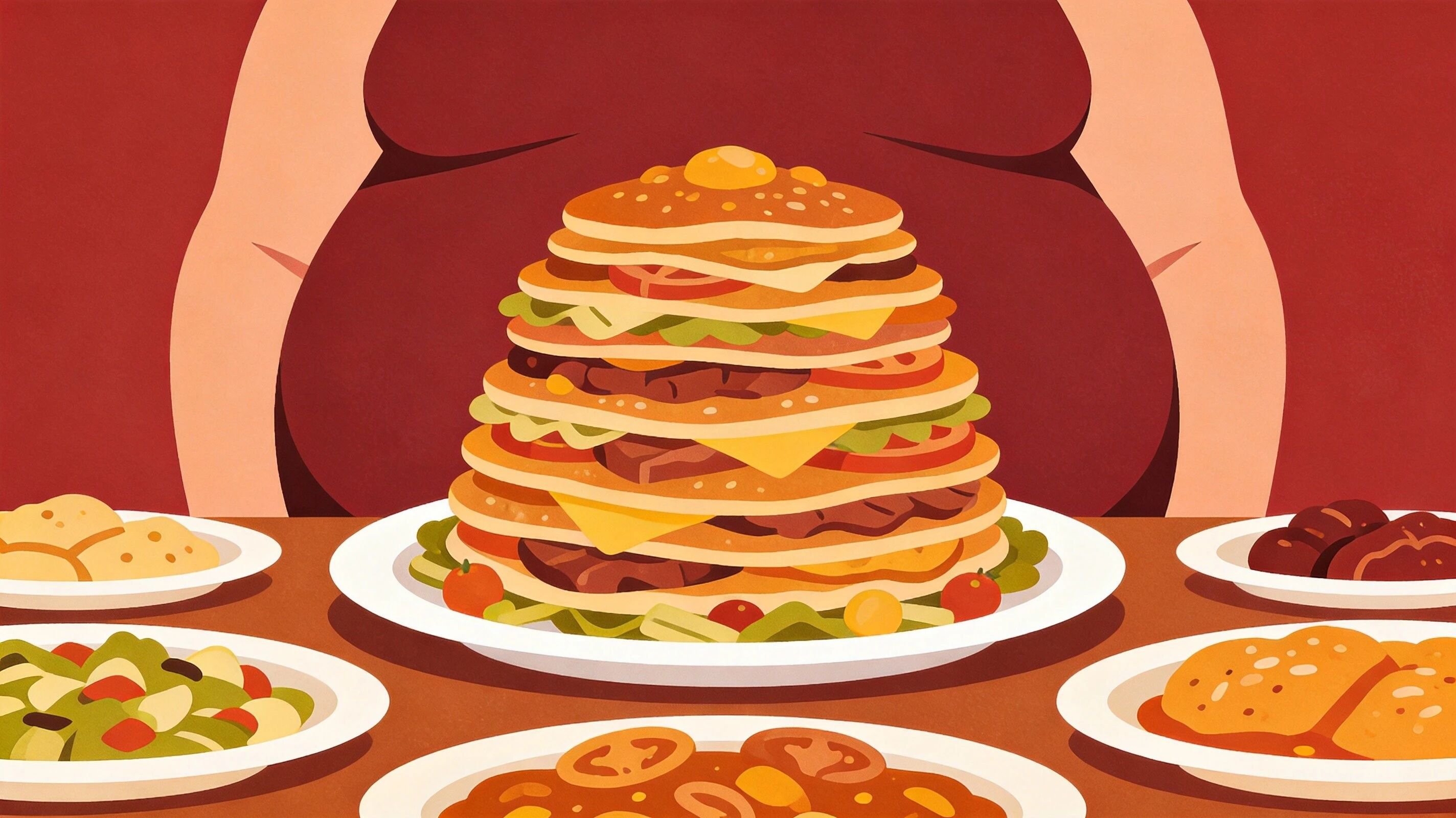
The overeating-induced diseases refer to abnormal physical conditions caused by excessive food intake. It is one of the most common modern diseases, accounting for more than 60% of all eating-related diseases. According to long-term monitoring by the World Health Organization (WHO), over 1.9 billion adults worldwide are overweight, and 650 million are obese. The direct causes are excessive caloric intake, overeating at meals, and frequent snacking. Excess food intake beyond bodily needs is a major driver of chronic diseases.
The principle of “overeating harms the body” refers to the fact that long-term consumption exceeding the body’s metabolic needs leads to disease. The essence of overeating-induced diseases lies in the mismatch between the human evolutionary tendency to store energy and the modern environment of food abundance. Instincts such as craving sweetness, rich flavors, and overeating—once adaptive for survival—have become drivers of metabolic disorders in modern society.
03. Foodborne diseases
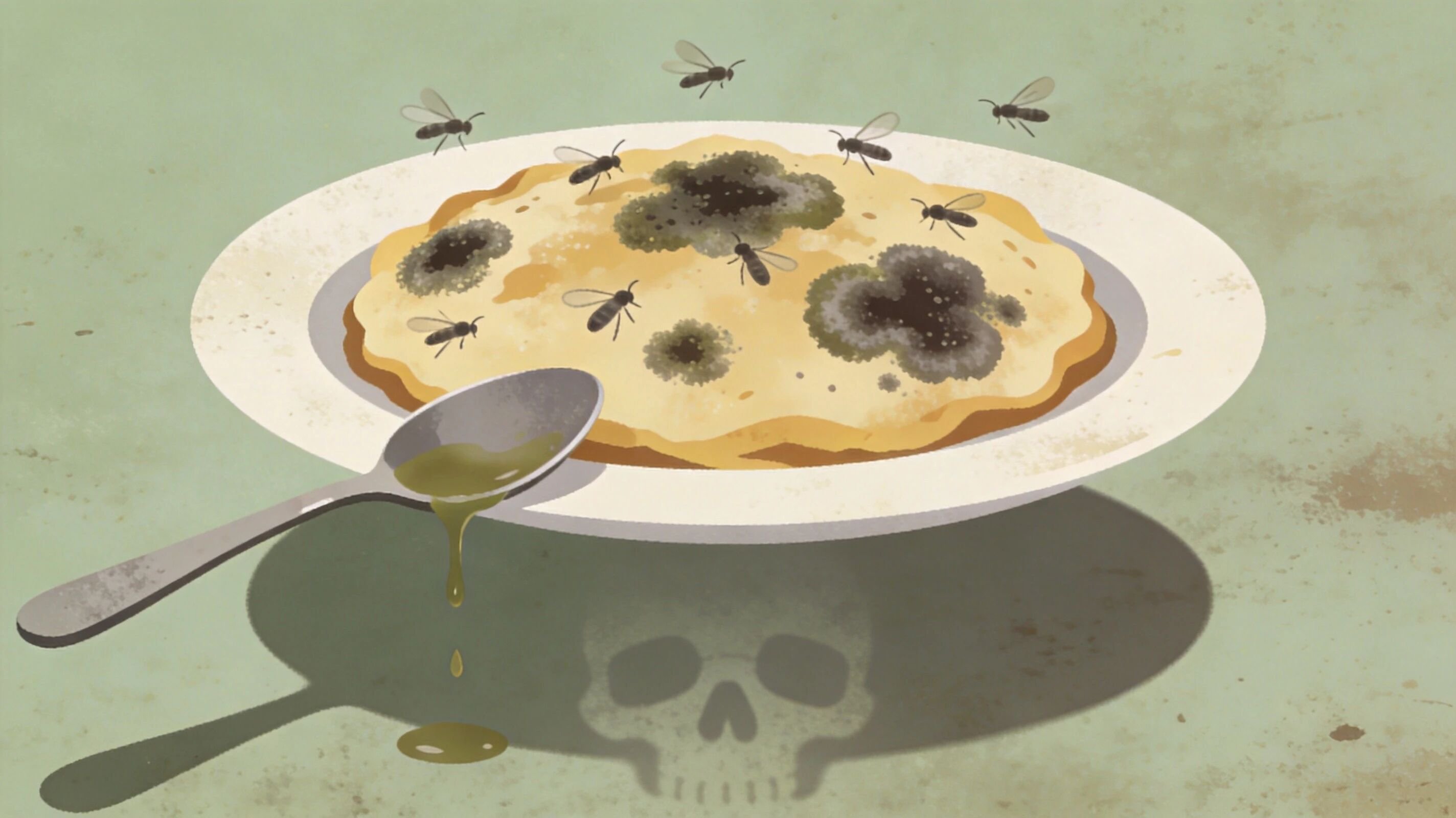
The foodborne diseases refer to abnormal physical conditions caused by consuming spoiled or polluted food. According to WHO estimates, there are about 600 million cases of foodborne diseases annually, resulting in 420,000 deaths, nearly 30% of which occur in children under five. Unsafe food consumption poses a serious threat to health, causing the loss of approximately 33 million healthy life years globally each year.
04. Selective eating-induced diseases

The selective eating-induced diseases refer to abnormal physical conditions caused by excessive or insufficient intake of certain foods. The WHO describes the resulting nutritional imbalance as “hidden hunger,” including deficiencies in iron, iodine, zinc, and vitamins. About 2 billion people worldwide are affected by hidden hunger. Long-term reliance on a narrow diet leads to serious nutritional imbalance. Notably, individuals suffering from overeating disease may also experience selective eating-induced disease—excess calories alongside severe micronutrient deficiency.
05. Food allergy diseases
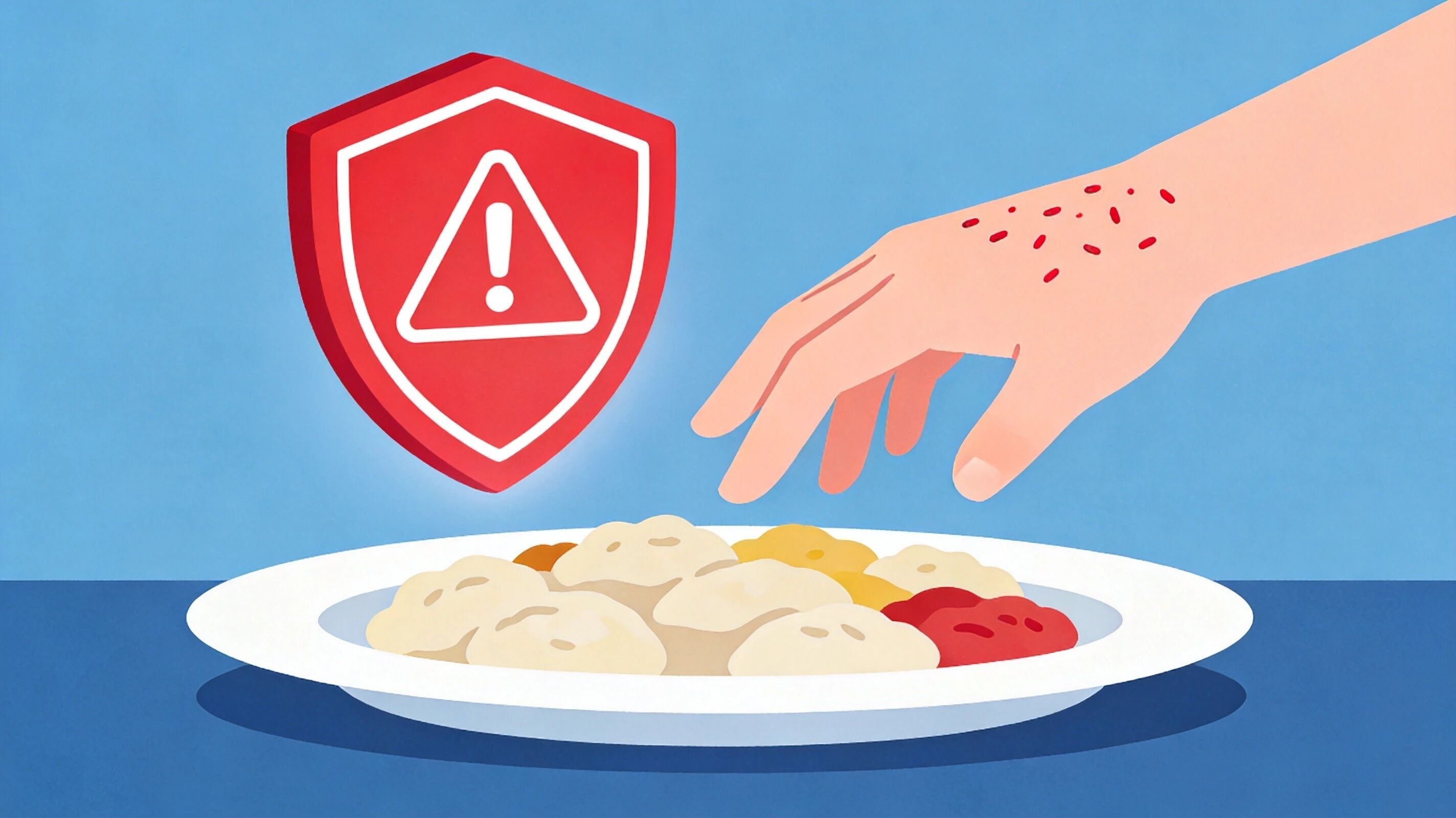
The food allergy diseases refer to abnormal physical reactions triggered by certain foods in susceptible individuals. It is not a universal condition; food allergens vary depending on individual differences. Globally, 6%–8% of children and 3%–4% of adults suffer from food allergies. In recent decades, prevalence in high-income countries has increased significantly. For example, peanut allergy rates among European children have tripled in 15 years. About 40% of allergic children are sensitive to multiple foods, and 70%–80% of those allergic to peanuts, nuts, or shellfish retain the condition into adulthood.
06. Anorexia diseases

The anorexia diseases refer to abnormal physical conditions caused by reduced appetite. It is most commonly seen in children aged 1–6 and some young women. Unlike undereating-induced disease, its core issue is not the availability of food, but the inability or unwillingness to eat. It reveals that even in food-abundant societies, loss of eating desire can still lead to severe malnutrition and even life-threatening conditions.
Eating can cause disease. The prevention of “eating diseases” transforms people from passive “patients” into active health managers with awareness, pathways, and methods.
The undereating, overeating, contaminated eating, selective eating, food allergy, and anorexia —these six categories represent six key levers for disease prevention. Understanding how disease is caused by eating is the first step to understanding how health can be restored through eating.
Contact Person: Mr Zhang E-mail: Secretariat@shiology.world