
At 6 a.m., bakeries begin producing fresh bread.
At 9 a.m., supermarkets display vegetables harvested just hours earlier.
At 12 noon, delivery riders move through every corner of the city.
From dawn to dusk, across all seasons, our daily lives are inseparable from food. Behind this ordinary life lies a vast and complex system—the shiance industry.
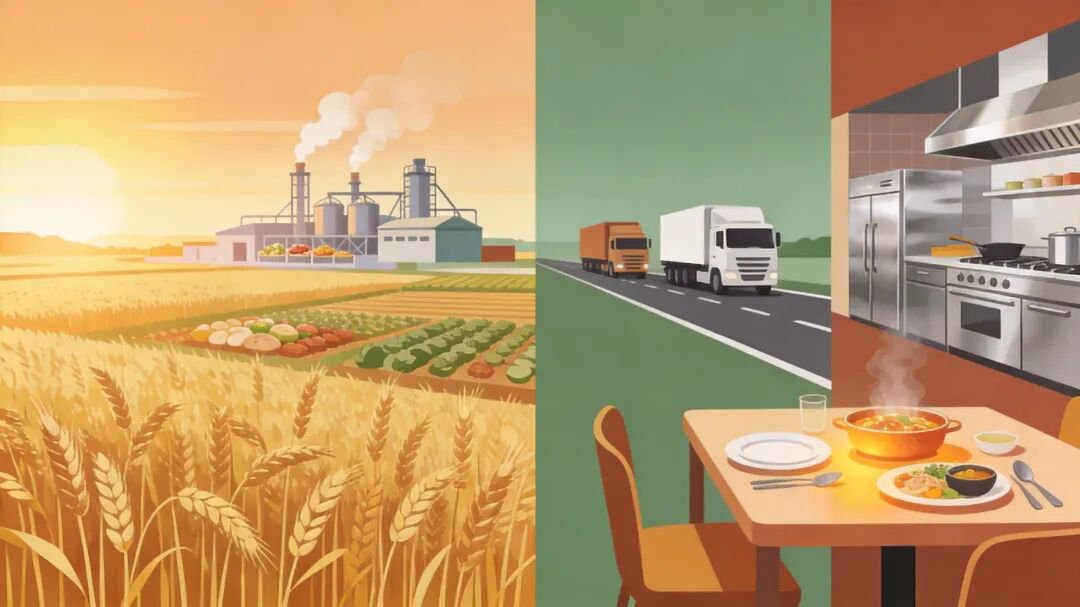
Among all sectors of human activity, shiance industry stands as the true "meta-industry." It is a complete industrial chain centered on food, encompassing all related sectors as an integrated system. As the oldest and most fundamental industry in human history, it underpins all forms of life: nothing lives without food. Securing food is humanity’s most essential task.
Unlike other industries, the shiance industry possesses enduring and uninterrupted vitality. While other industries rise and fall through cycles of development, the shiance industry remains constant. As long as human civilization exists, the fundamental demand for food will never disappear. This forms the permanent foundation of its long-term development.
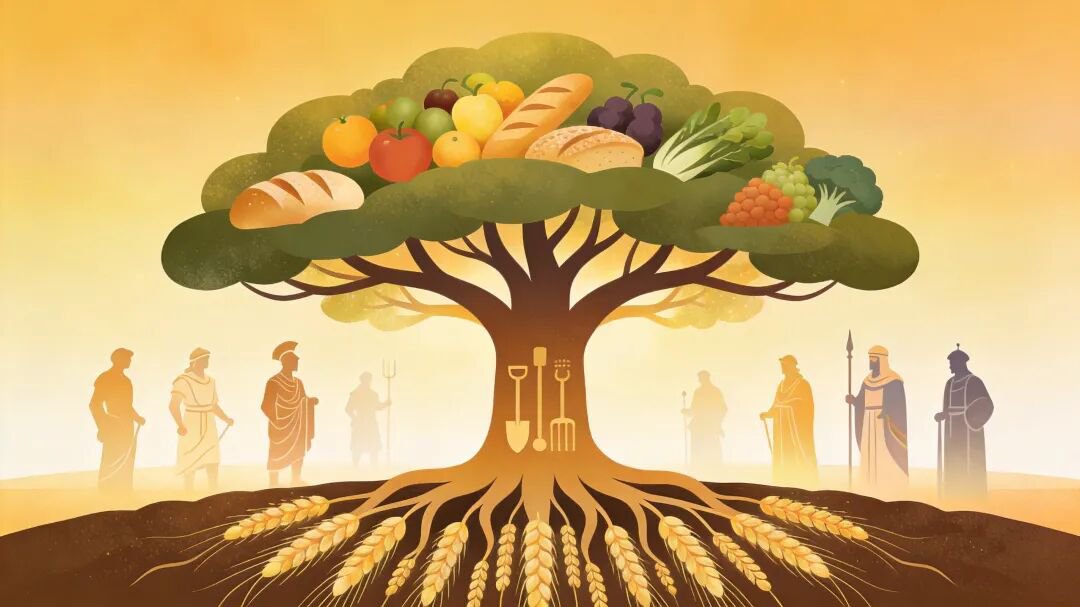
The shiance industry is the most extensive, labor-intensive, and economically significant industry in human history. It covers the entire process of food acquisition, processing, distribution, and consumption, spanning agriculture, food manufacturing, and catering services. In terms of output value, employment, and consumption frequency, it consistently ranks first among all industries.
Market data further confirms its strong growth momentum. In China alone, the catering sector reached 5.57 trillion RMB in 2024, a year-on-year increase of 5.3%. In 2025, it continued to grow steadily to 5.7982 trillion RMB, maintaining its leading position in offline consumption. Forecasts suggest that by 2026, the total catering revenue will exceed 6 trillion RMB.

The development of the shiance industry is closely tied to national priorities, including food security, public health, environmental protection, and sustainable development. It is deeply embedded in national strategic planning.
From a national security perspective, the shiance industry safeguards the critical food supply issue. Ensuring food self-sufficiency, protecting arable land, and advancing seed industry innovation remain long-term national priorities, forming the foundation of food system stability.
From a public health perspective, the shiance industry is central to the Healthy China strategy. In response to dietary imbalances and the rising prevalence of chronic diseases, national policies such as balanced diet initiatives and food health upgrades are driving the industry toward high-quality transformation.
From an environmental perspective, the shiance industry encompasses green farming, low-carbon processing, food waste reduction, and circular resource use. It is a key sector in achieving carbon neutrality and advancing sustainable development.
For a long time, the shiance industry was perceived as traditional, inefficient, and labor-intensive. Today, however, the widespread adoption of artificial intelligence, digital technologies, and advanced manufacturing is fundamentally reshaping the entire value chain.
Among emerging technological systems, the Food Internet (FoodNet) has become a core digital infrastructure for the industry.
FoodNet refers to a digital, integrated solution powered by technologies such as blockchain and guided by the Sustainable Development Goals (SDGs), aimed at addressing global food system challenges through modern technological tools.
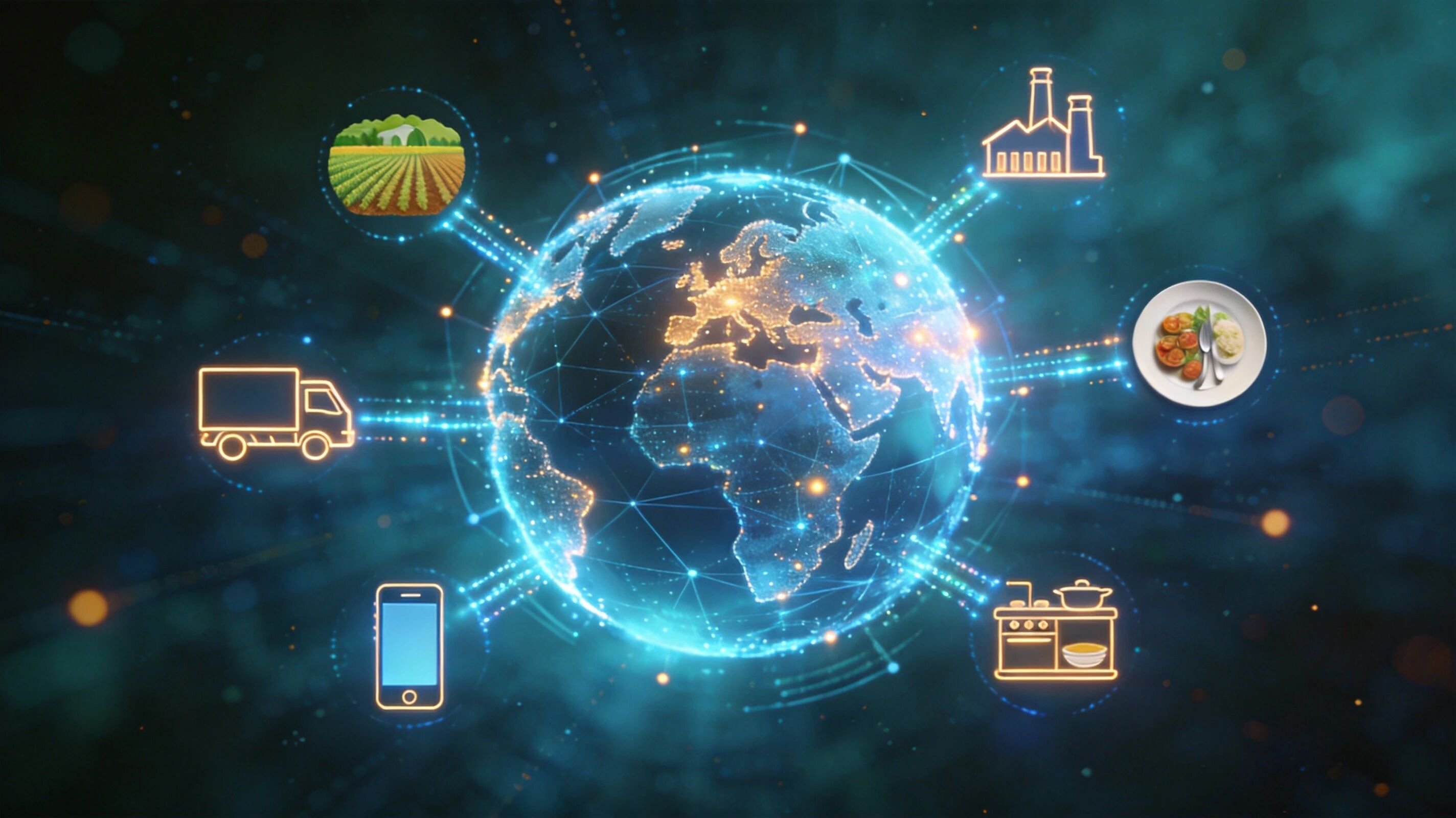
It enables precise connectivity among food consumers, food products, food tools, food enterprises, and food regulations, breaking down long-standing barriers of fragmentation and inefficiency. By creating an integrated, traceable, and intelligently governed system, FoodNet lays the foundation for a more scalable, standardized, intelligent, and sustainable shiance industry.
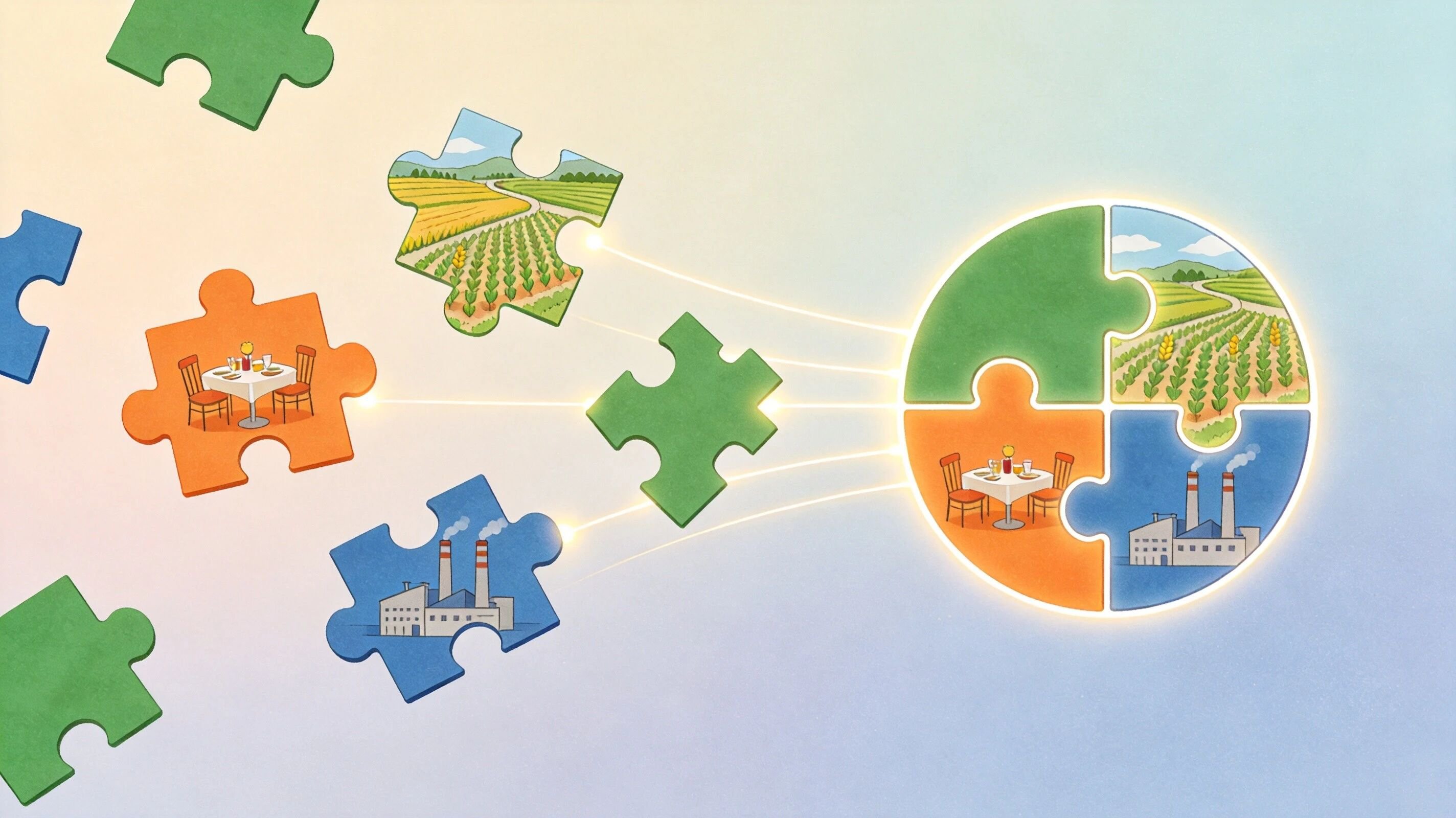
Traditional industries operate in silos, dividing the food system into agriculture, fisheries, livestock, food processing, and catering. This fragmentation leads to inefficiency, supply-demand mismatches, resource waste, and lack of coordination.
The core value of the shiance industry lies in integration and systemic coordination—breaking down these barriers and building a unified structure that connects upstream and downstream sectors.
By integrating agriculture, fisheries, livestock, and catering into a single coordinated system, the shiance industry shifts from fragmented development toward full-system convergence and optimization.
In the past, different professionals would describe themselves separately:
· "I am a farmer."
· "I am a chef."
· "I work in food processing."
Today, these roles can be unified under one identity: shiance industry practitioners.
The concept of "shiance industry" includes three key dimensions:
· Shiance industry practitioners: individuals engaged in production, processing, storage, transportation, and food-related management.
· Shiance industry administration: a proposed unified national governance structure for food policy.
· Shiance civilization: a future social stage in which food system challenges are fully resolved, characterized by sustainable development, moderated consumption, and significantly extended human lifespan.
From a single seed to a meal on the table, from rural farmers to high-tech enterprises, and from livelihood security to civilizational progress, the shiance industry connects fundamental questions of survival, health, economy, and civilization.
It is both a defining trend of our time and a historic opportunity.
Understanding the shiance industry—and strategically investing in it—means capturing the core engine of future growth.
Contact Person: Mr Zhang E-mail: Secretariat@shiology.world