
The Positioning of Shiology —— Making Explicit the Implicit “Shiance Knowledge System”
LIU Guangwei
(Research Center for Shiology, Renmin University of China, Beijing 100872, China)
Abstract: The ancient adage "Food is the paramount necessity of the people" encapsulates humanity's five eater needs:eating enough,eating with variety, food-safe eating, eating for health and longevity, and sustainable eating. The five eater needs embody the right to eat, and when such needs are not met, problems inevitably arise. Humanity has not yet solved the five eating issues as a whole, fundamentally due to the absence of a comprehensive disciplinary framework. In China, after solving the problem of "eating enough", to meet the people's needs for"eating with variety, food-safe eating, eating for health and longevity, and sustainable eating", relying solely on agriculture is insufficient, as agriculture does not cover the five eating issues. Only by establishing a discipline explicitly centered on Shiology can these issues be fully addressed. The Postgraduate Education Discipline and Specialty Catalog (2022) issued by the Ministry of Education implicitly contains a Shiance knowledge system. It spans four disciplines—agriculture, engineering, medicine and management science—and provides a foundational paradigm for addressing the five eating issues. This study undertakes a systematic upgrading of the implicit "shiance knowledge system". First, it expands the disciplinary scope by incorporating economics, law, natural sciences and education into the original four categories, thereby ensuring comprehensive coverage of five eating issues. Second, it constructs a "Shiology Triangle" with eaters (needs), food(supply) , and shiance order(regulation)as the structural dimensions of the disciplinary system, thereby unifying its objectives. Third, it defines eight core disciplinary elements, endowing the field with the essential attributes of a modern academic discipline and establishing it as an explicit, recognized field. Guided by the five eater needs, this research aims to build an interdisciplinary Shiology spanning eight domains to address the full spectrum of five eating issues. By safeguarding the shiance interests of 8 billion people, it aspires to provide a global public goods and contribute to global governance.
Keyword: Shiance, Shiology, Five Eating issues, Five Eater needs, Shiance Knowledge Framework, Interdisciplinary subject
The paper adheres to the traditional wisdom that "food is the paramount necessity of the people,"establishing a discipline centered on "food"and upholding the scholarly attitude of "seeking truth from facts"—or, in this context, "seeking truth from shiance." Guided by the Five Eater Needs—eating enough, eating with variety, food-safe eating, eating for health and longevity, and sustainable eating—it aims to systematically enhance the implicit "shiance knowledge system" within the Ministry of Education's Postgraduate Education Discipline and Specialty Catalog (2022). By constructing an interdisciplinary framework spanning eight major disciplines, the paper seeks to better serve national development strategies, contribute to global public product, and advance the global governance of five eating issues.
The establishment of Shiology holds both academic value in holistically understanding the five eating issues and practical value in comprehensively addressing them. It offers guidance for individual health and longevity while optimizing shiance order and civilizational paradigms for humanity as a whole. Given China's national conditions, food safety challenges cannot be adequately addressed through food science alone, public health issues cannot be resolved solely through medicine, and rural development requires more than agriculture. A comprehensive "shiology knowledge system" covering all five eating issues is urgently needed.
I. Core Conceptual Framework
To articulate the explicit establishment of an implicit "shiance knowledge system," it is essential first to clarify the connotations and extensions of its core concepts. These core concepts serve as the foundation for constructing shiology as an interdisciplinary field, reflecting its uniqueness and systematicness. As fundamental elements of the knowledge system, they not only embody its basic principles but also enrich other concepts with new meanings, generate new conceptual clusters, and systematically support the construction of its theoretical framework. These core concepts demonstrate the autonomy of the knowledge system and represent the "roots and soul" of building a shiology knowledge system in China. The development of shiology knowledge system inevitably relies on the support of such core conceptual frameworks.
(1) Eating: The act of putting food into the mouth, chewing, and swallowing (including drinking and sucking) (Modern Chinese Dictionary, 7th edition).
(2) Eatance: Refers to human phenomena and activities related to ingesting food, including eating, drinking, and taking medicine. Not listed in the Modern Chinese Dictionary.
(3) Eating Rights: The human right to access sufficient, varied, and safe food. Also called "the right to food", forming the basis of survival and human rights.
(4) Shi: Defined in the Xinhua Dictionary as “to eat” or "something to eat." "To eat" refers to the act of ingestion; "something to eat" refers to the object consumed. "Shi" functions as both verb (to eat) and noun (food).
(5) Eater: A human from the perspective of eating needs, considering individual survival, health, group harmony, and population sustainability. Not listed in the Modern Chinese Dictionary.
(6) Food: "Edible substances (mostly natural)"(Modern Chinese Dictionary, 7th edition). Food refers to the substances that people can ingest and absorb to maintain survival and health, encompassing five categories: animal-based food, plant-based food, fungus food, mineral food, artificial food. Artificial foods are newcomers to the human food chain. Food includes substances ingested for satisfying hunger and for treating illnesses.
(7) Shiance: All human phenomena and activities related to acquiring, using, and regulating food. The term is a newly coined term combining the Mandarin Shi (meaning "food" or "to eat") with the suffix "-ance". Shiance includes not only the survival and health of people such as eating and drinking, but also the processes of obtaining food and maintaining the shiance order.
There is a word "shiance" in the ancient Chinese language, but it is rarely used. For example, "Nine Complaints from Chu Ci": "Accumulating grievances and deep thoughts, my heart is so troubled that I forget about food affairs.” Here, "food affairs" refer to the basic necessities of life, such as eating and drinking. Another example is "Annals of the Three Kingdoms, Wei Volume, Biography of Hua Tuo": "Hua Tuo relies on his abilities and is disinclined to mundane affairs." In this context, "mundane affairs" refer to do things or engaging in the work.
Shiance is the first priority for human survival, and it is also a primary prerequisite for advancing sustainable development. Judging from the long history of human development, shiance stretches back far more than 5.5 million years. It predates civilization, serving as the fundamental impetus and foundation for the emergence, development, and continuity of human civilization.
(8) Shiance Issues: Difficulties and contradictions encountered in acquiring and using food. These include securing enough food, eating healthily, and maintaining sustainability. Shiance issues are the primary threat to sustainable development. Not listed in the Modern Chinese Dictionary.
(9) Shiance Order : The orderliness and continuity of human shiance behaviors, forming the basis of social order. Maintaining shiance order requires a combination of measures, such as shiance law, shiance administration and shiance economics. Shiance order is the prerequisite and basis for achieving sustainable development.
(10) Shiology: The academic discipline of shiance, promoting individual health and longevity, group harmony, and population sustainability. The term is a newly coined term combining the Mandarin shi (meaning "food" or "to eat") with the Greek-derived suffix "-ology," literally denoting the "science of eating + food". It is a knowledge system that reveals the objective laws of human shiance and addresses shiance issues; a knowledge system centered on the eater that comprehensively covers all food issues; and a global public product designed to solve human shiance issues.
(11) Five Eater Needs (5E): The basic needs of humanity for eating, including eating enough, eating with variety, food-safe eating, eating for health and longevity, sustainable eating.
(12) Five Eating Issues: When the five eater needs are unmet, they give rise to the five eating issues. Five eating issues are also known as shiance issues.
(13) Eating Enough: Focuses on quantity, ensuring every individual's daily caloric and nutritional needs.
(14) Eating with Variety: Focuses on diversity, ensuring access to grains, meats, vegetables, fruits, and other foods.
(15) Food-safe Eating: Focuses on quality, ensuring the safety of all food consumed, particularly processed foods.
(16) Eating for Health and Longevity: Focuses on body–food coupling, where diet is tailored to individual physiology, including the quantity, variety, temperature, frequency, speed, and sequence. Proper coupling supports health and longevity.
(17) Sustainable Eating: Focuses on food supply sustainability, threatened by population conflicts and ecological degradation.
(18) Shiance Industry: The social system formed by individuals and organizations engaged in shiance-related sectors, including agriculture, food production, catering, health-food industries, and shiance regulation. Not listed in the Modern Chinese Dictionary. It represents the “sixth industry”, integrating primary, secondary, and tertiary industry.
(19) Shiance Diseases: Also called "eating diseases". It is not listed in the Modern Chinese Dictionary. Shiance Diseases are caused by improper foods or eating methods, including under-eating diseases, overeating diseases, food-borne diseases, diseases from dietary imbalance, food sensitivity diseases and appetite deficiency diseases. Shiance diseases are named by cause, emphasizing prevention.
(20) Shiance Knowledge System: The holistic framework of shiance cognition. It evolves through three stages: fragmented cognition, block-based cognition, and holistic cognition.
(21) Body Transformed from Food: One of the shiology principles. It reveals the essential relationship between food and body. Food is the fundamental component of the human body. The principle of "body transformed from food" states that "human body is transformed from food, which includes bones, blood, organs, muscles, brain, skin, hair, and so on.
(22) Body and Food Coupling: One of the shiology principles. It reveals the essential relationship among individual health, food and eating methods. The principle emphasizes the individual differences in dietary needs. To achieve health and longevity through diet, it is necessary to couple with the body from seven aspects: food quantity, food type, food temperature, food cookedness, eating speed, eating frequency and eating sequence.
(23) The Four Unities Between Food and Medicine: Homology of Food and Medicine, Common Origin of Food and Medicine, Common Principles of Food and Medicine, Unity of Food and Medicine. The concept of "medicine" specifically refers to oral medication, including both Traditional Chinese Medicine and Western Medicine, with a focus on the shared properties between food and oral medications.
II. Research Methodology: Cross-disciplinary Synthesis for Shiology
To address the limitations of existing disciplinary frameworks in comprehensively responding to the five eating issues, this study adopts the "cross-disciplinary synthesis" as its core research methodology. This approach is grounded in the recognition that the five eating issues are complex and cross-cutting, involving multiple dimensions such as food supply, eater health and social governance—dimensions that cannot be adequately addressed by any single discipline. The application of this methodology follows a systematic logic, aiming to break down disciplinary barriers, achieve the integration of multidisciplinary knowledge, and thereby construct a holistic analytical framework for food system issues.
1.Analyzing the Perspective of Individual Disciplines
The study critically analyzes the perspective limitations and capability boundaries of individual disciplines in addressing the five eating issues. For instance, agriculture focuses on food production efficiency and resource utilization but often neglects the health impacts of food and social equity in distribution. Medicine emphasizes food’s effect on human health yet pays insufficient attention to the sustainability of food production systems. Economics centers on food resource allocation efficiency and market mechanisms but frequently overlooks the ecological constraints of food production and the educational aspects of rational eating. Clarifying these limitations identifies key areas for interdisciplinary integration, laying the groundwork for targeted deployment of disciplinary resources.
2.Examining the Gaps in Implicit Cross-Disciplinary Frameworks
The study examines the inadequacies of the identified "implicit agri-knowledge system" and "implicit shiance knowledge system" in interdisciplinary integration. The "implicit agri-knowledge system," while spanning agriculture, engineering, and management science, remains largely confined to the "food production" dimension, failing to systematically incorporate "eater health" and "shiance order." The "implicit shiance knowledge system," though extending to agriculture, engineering, medicine, and management science, still does not fully cover all shiance-related issues and lacks a unified theoretical framework and systematic disciplinary structure.
3. Building a Holistic Interdisciplinary—Shiology
Guided by the principle of "problem-oriented integration," the study integrates eight disciplinary categories to establish Shiology as an independent interdisciplinary field. The core logic of this principle is to take the five eating issues and the realization of five eater needs as primary objectives, selecting and integrating relevant disciplinary theories, methods, and perspectives based on practical problem-solving needs to generate synergistic effects—rather than merely superimposing multiple disciplines.
To ensure systematicity and operability, Shiology adopts a "1+7" integration model: 09 Agriculture as the foundation, and the 7 sub-disciplines under the 02 Economics, 03 Law, 04 Education, 07 Natural Science, 08 Engineering, 10 Medicine, and 12 Management Science. This cross-disciplinary synthesis and integration enables Shiology to form a comprehensive analytical perspective covering the entire food chain, effectively overcoming the limitations of single-discipline research and providing a holistic knowledge framework for addressing global food system challenges.
III. The Five Eater Needs (5E) and Five Eating Issues
Many of the world's problems arise from the failure to meet fundamental human needs. The ancient adage "Food is the paramount necessity of the people"expresses humanity’s dependence on food, concretely manifested as the five eater needs: eating enough, eating with variety, food-safe eating, eating for health and longevity, and sustainable eating. These five needs are universal and embody the concrete expression of the "eating right."
When these needs are unmet, they give rise to the five eating issues. These issues represent the totality of humanity's food-related challenges; they are both a problem of paramount importance and a vast, complex "issues group." The five eating issues concern the fundamental interests of eight billion people, impacting human survival, development, and sustainability. They are challenges that must be confronted directly—inescapable and unavoidable.
Why has humanity failed to resolve these critical issues comprehensively? While reasons span many fields, the root cause lies in the lack of a holistic understanding of the five eating issues. This gap reflects a deficiency in existing disciplinary frameworks—the absence of a comprehensive knowledge system covering all five eating issues. Ban Ki-moon, former Secretary-General of the United Nations, pointed out in the preface of the Global Food Systems and SDGs Report (2025) that Shiology is a comprehensive knowledge framework that covers the entire food system. Shiology offers such a framework—integrating “eaters, food, and food order”—and provides a full-chain approach to understanding food system issues[1].
As a significant practical outcome of the Shiology knowledge framework, the Global Food Systems and SDGs Report (2025) has been compiled to address global food challenges in a systematic manner. The report introduces the world food-system quadrant map (illustrated in Figure 1), which visually captures the pronounced disparities in the five eating issues across the world’s 195 countries and regions. This figure categorizes the 195 countries and regions into four groups, reflecting both the objective differences in per capita food resources and the subjective differences in the governance capacity to the five eating issues. This facilitates a macro-level understanding of the current state of humanity's shiance issues.
The reasons for these disparities involve both objective and subjective factors. As seen in Figure 1, the x-axis represents the per-capita agricultural-resource endowment, with the origin being the average value of per-capita agricultural-resource endowment (left → below-average resources; right → above-average resources). The y-axis represents life expectancy, with the origin being the average life expectancy of the humanity (8 billion people) (bottom → below-average life expectancy; top → above-average life expectancy).
Countries in the Quadrant I (upper-right): Strong resources, high life expectancy —The main issue is that life expectancy is not fully optimized (eating for health and longevity). These countries are typically net food exporters.
Countries in the Quadrant II (upper-left): Weak resources, high life expectancy —The longest-lived countries (e.g., Japan) and regions (e.g., Hong Kong) are here. They are typically net food importers.
Countries in the Quadrant III (lower-left): Weak resources, low life expectancy — experiencing severe hunger (eating enough) and and weak governance. They are also net food importers.
Countries in Quadrant IV (lower-right): Strong resources, low life expectancy —indicates insufficient coupling between body and food, and governance capacity that requires improvement.
The “Four-Quadrant Map on Global Shiance” illustrates the universality and complexity of the five eating issues, highlighting the need for holistic understanding and global governance.

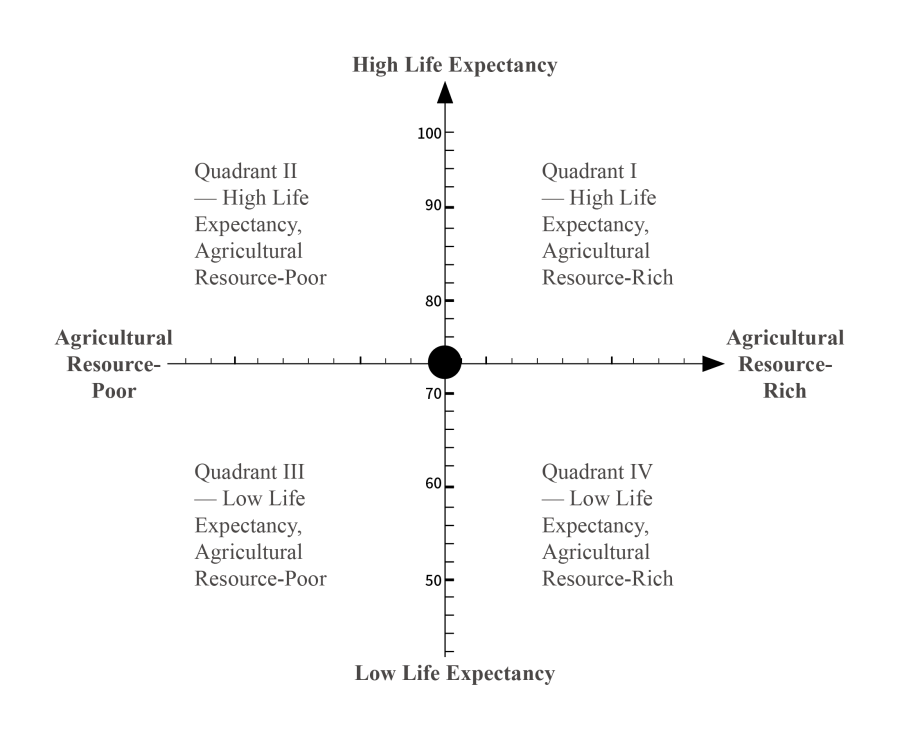
Figure 1. Four-Quadrant Map on Global Shiance
From the perspective of the five eater needs, today’s challenges extend beyond traditional concerns of grain production and agriculture (focused on food acquisition) to include nutrition and safety issues impacting health, as well as issues of order and ecology central to sustainable development.Viewed holistically, we see a landscape of paradoxes: food shortages coexist with massive waste. Globally, approximately 1.05 billion tons of food are wasted annually, equating to about 132 kilograms per person per year[2]—far exceeding the needs of the undernourished—and this wastage persists without effective governance. "hunger" coexists with "over-nutrition". Worldwide 2.5 billion adults (18 years and older) and over 390 million children and adolescents (aged 5–19 years) were overweight[3]. The population harmed by over-nutrition now surpasses that affected by hunger. Old and new challenges coexist: while food shortages remain unresolved, emerging crises such as soil and water pollution and food safety breaches intensify. Exposure to soil, water, and air pollutants has been linked to nearly 13 million deaths annually[4], more than 500,000 of which are premature[5]. In reality, issues such as food production capacity versus population growth, agricultural development versus environmental protection, food processing versus eater health, and food distribution versus social harmony are not isolated phenomena. They constitute an interconnected, objective whole. Essentially, all these problems stem from the five eater needs and arise when these needs are unmet. These issues are highly interrelated, complex, and holistic, forming a five eating issues group of over 300 distinct but interconnected issues[6].
In his address to the Fourth World Shiology Forum (WSF), UN Secretary-General António Guterres pointed out that "Around the world, 780 million people are going hungry and more than three billion cannot afford healthy diets. Meanwhile, one-third of all food produced is lost or wasted. Unsustainable food production,packaging and transportation are feeding the climate crisis - generating colossal greenhouse gas emissions, using over two-thirds of the world's freshwater, and accelerating biodiversity loss." [7]. He has repeatedly emphasized the complexity and governance challenges of humanity’s five eating issues group. Among the 17 UN Sustainable Development Goals (SDGs)[8], 13 are directly related to the five eater needs (as shown in Figure 2). Thus, if the five eater needs are unmet and these issues are not addressed comprehensively, sustainable development cannot be achieved.
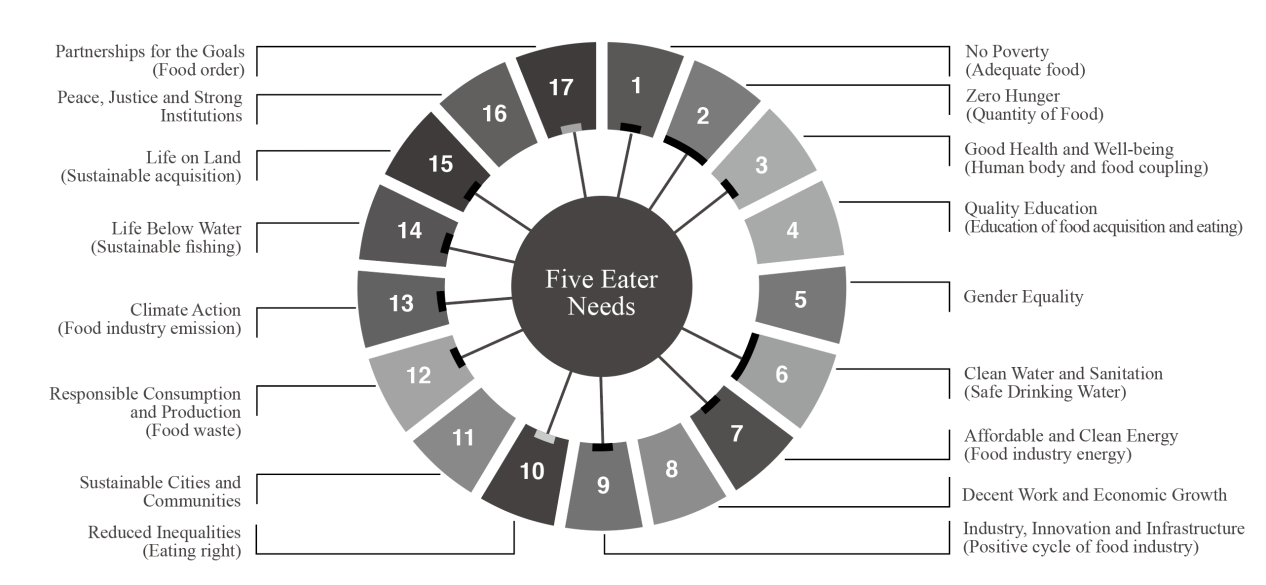

Figure 2. SDGs and Five Eater Needs
The first UN Food Systems Summit, held in New York on September 23, 2021, marked a shift in focus from narrow domains such as grain production and agriculture to the entire food system—addressing food security, nutrition, climate change, biodiversity loss, and global poverty. The second UN Food Systems Summit focused on food waste, climate change, healthy diets, science and technology, and partnerships.
The traditional concept of a food system— "from farm to fork" —requires expansion. The food system includes not only the basic elements of how we get our food from farm to fork, but also all of the processes and infrastructure involved in feeding a population[9]. The traditional model of the food system is described as "from farm to fork." However, in fact, the fork is not the end of food; the human gastrointestinal tract is. Furthermore, food waste should return to the farm, creating an organic cycle. Viewed through the lens of the five eater needs: the "from farm to fork" addresses production and processing, fulfilling eating enough, eating with variety, food-safe eating. The "from fork to body" emphasizes the coupling between food and human body, fulfilling eating for health and longevity. Returning waste to the farm supports eating sustainability (as shown in Figure 3). A food system is a circular system encompassing food supply, eater utilization, and waste degradation. Understanding it requires recognizing its objective existence, the holistic nature of its problems, and the absence of a disciplinary system that addresses the full spectrum of food system challenges.
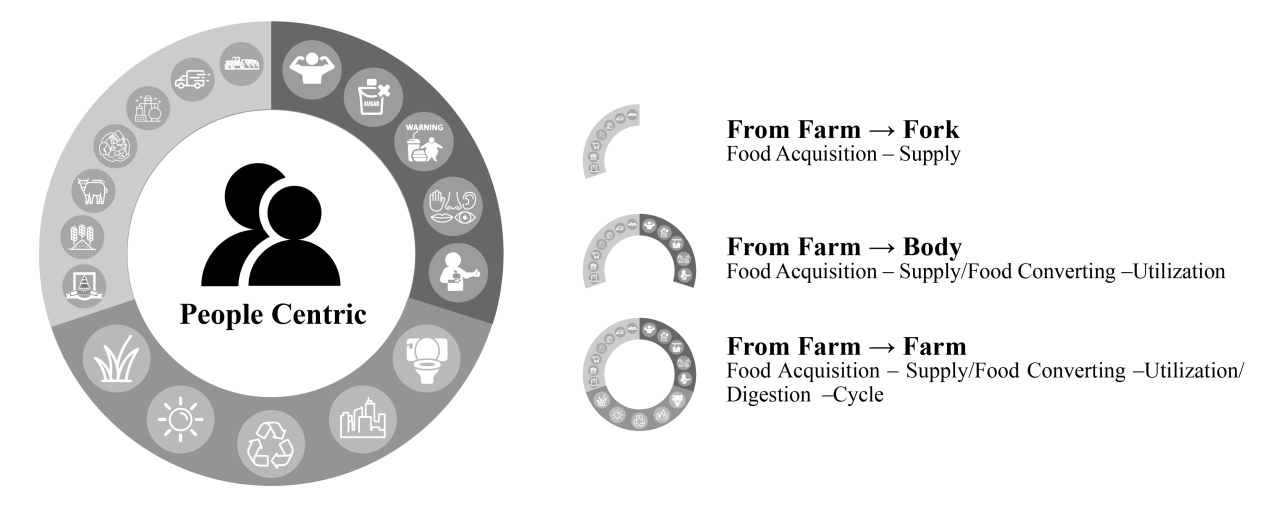
Figure 3. Evolving Understanding of Food Systems
Analyzing the five eating issues by their essence: eating enough focuses on food quantity, eating with variety focuses on food diversity, food-safe eating focuses on food quality, eating for health and longevity focuses on body-food coupling, and sustainable eating focuses on harmony within and beyond the population. These issues are meso-level challenges—their governance is not insurmountable, nor are the objectives unattainable.
Humanity has traversed 7,000 years of civilization, building a modern scientific system with remarkable achievements in understanding the objective world. At the macro level, relativity allows us to gaze into the cosmos; at the micro level, quantum mechanics enables precise perception. Yet in the meso-level domain of fully meeting the five eater needs, we have not delivered satisfactory results. From the perspective of historical development, human beings have experienced five stages in solving the five eating issues, including individual response, group response, tribal response, polity response and global response (as shown in Figure 4). Today, humanity's understanding and response to the five eating issues are in a transition from the fourth stage to the fifth stage—specifically, from the political system response stage to the global response stage. This is a crucial stage, characterized by a shift from the "fragmented" to integrated stage.
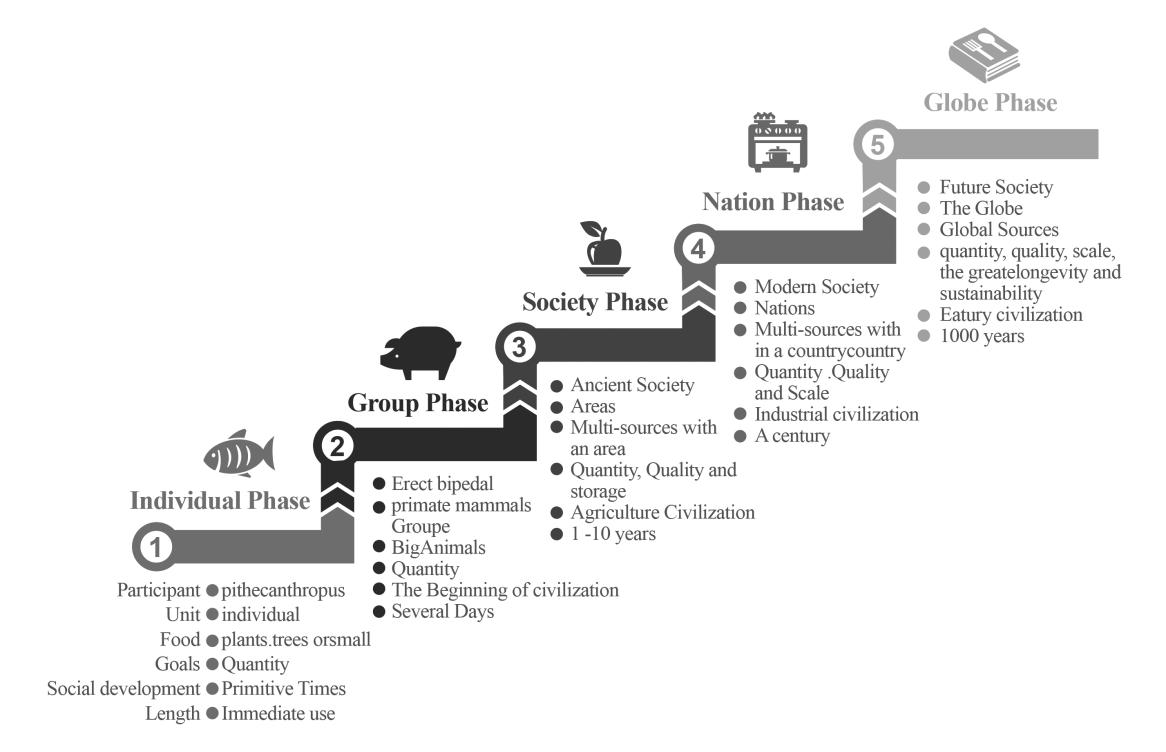
Figure 4. Five Steps to Solve the Five Eating Issues
The prerequisite for solving any problem is understanding it. Addressing the shiance issues requires holistic understanding, yet we remain at the fragmented stage. Given current capabilities, we should deliver this response in the 21st century—meeting every individual’s five eater needs, transforming civilizational paradigms, and advancing sustainable development—rather than deferring it to the 22nd century.
IV. The Implicitly Existing "Shiance Knowledge System"
The Postgraduate Education Discipline and Specialty Catalog (2022)[10] issued by the Ministry of Education (hereinafter, the "Catalogue") is a key component of China’s education system. It reflects the structural layout and development priorities of various disciplines and serves as the foundation for universities to establish programs, plan admissions, and guide students’careers. The Catalogue encompasses 14 disciplinary categories (as shown in Figure 5).
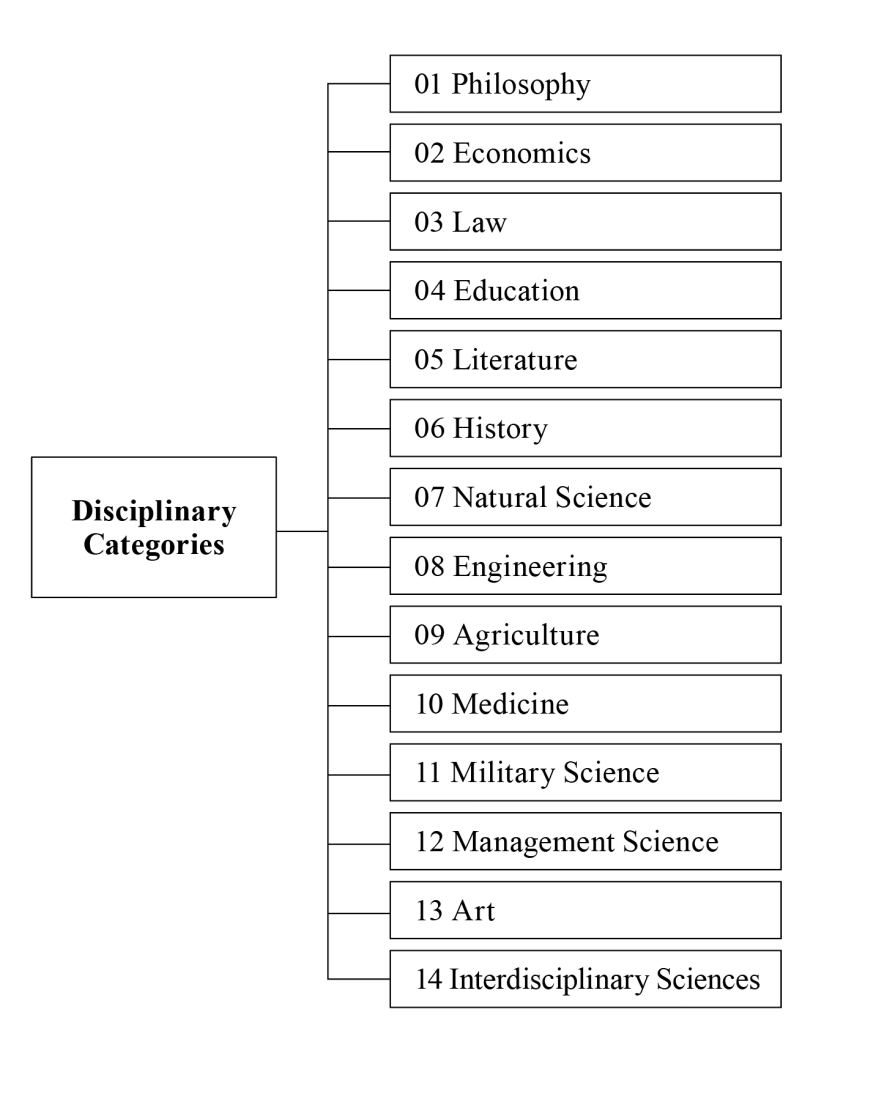
Figure 5. Postgraduate Education Discipline Categories
Among these categories, aside from "09 Agriculture", which focuses primarily on domesticated food, there are several food-related disciplines embedded within other categories such as "08 Engineering", "10 Medicine", and "12 Management", including agricultural engineering, food engineering, nutrition, and agricultural and forestry economic management. Examined together with agriculture, these disciplines form a trinity knowledge system covering eaters, food, and shiance order. Although objectively existent, this system is implicit, and therefore has long been overlooked. Nevertheless, its value is the same as that of explicit knowledge systems, which is to solve problems in a certain field.
Shiance and agri-activities exist in an inclusive relationship. To facilitate understanding, we first examine the implicit agri-knowledge system, and then the implicit shiance knowledge system.
1. The Agri-Knowledge System Spanning Three Disciplines
Agri-activities encompass the phenomena and practices humans develop around domesticated food. Agri-issues are the difficulties and contradictions encountered during these activities, representing the gap between current agricultural conditions and eater needs. The “09 Agriculture” category in the Catalogue addresses only a subset of agri-activities and agri-issues.
(1) The Form of the Implicit Agri-Knowledge System
As a cornerstone discipline in an agricultural nation, agriculture has existed since the introduction of university education in the late Qing Dynasty[11] and has continually developed. In the Undergraduate Specialty Catalog of Regular Higher Education Institutions (2022), agriculture comprises 47 tier-1 disciplines[12]. Beyond “09 Agriculture,”two additional agriculture-related disciplines—namely agricultural engineering (“08 Engineering”) and agricultural and forestry economic management (“12 Management science”)—together form a comprehensive agri-knowledge system (as shown in Figure 6).
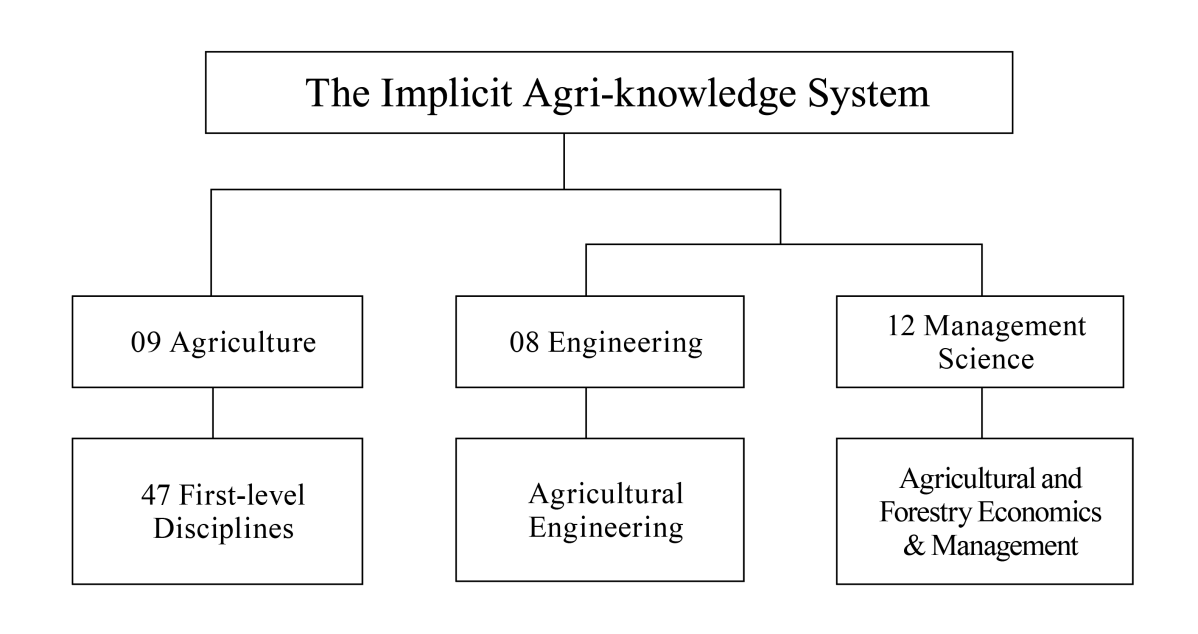
Figure 6. The Implicit Agri-knowledge System
Agricultural engineering applies engineering theories and methods to study agricultural machinery, equipment, and engineering solutions. Established in the 1950s, its core curriculum includes mechanical principles, design, manufacturing, control engineering, thermodynamics, hydraulic and pneumatic transmission, agronomy and machinery, and livestock and processing machinery.
Agricultural and forestry economic management employs economic and management theories to study agricultural and forestry activities and management practices. Since the 1950s, its disciplinary classification has been adjusted twice: before 1990, it was under "03 Economics"(agricultural economics) and "09 Agriculture"(agricultural economics and management), and in 1997 it moved to the newly created “12 Management Science” category.
This implicit agri-knowledge system spans three disciplinary categories, encompassing the mechanical, economic, and management aspects of agri-activities, quietly contributing to agricultural development.
(2) The Value of the Implicit Agri-Knowledge System
Compared with the "09 Agriculture" system, the inclusion of two additional disciplines broadens the scope of understanding and enhances the capacity to address agri-issues. Leveraging engineering, economic, and managerial tools allows for more effective solutions, reflecting greater societal value.
The implicit agri-knowledge system and the "09 Agriculture" system share an inclusive relationship but differ in focus. Agricultural and forestry economic management studies agricultural policy, rural finance, and industrial chains to optimize resources, stabilize markets, promote rural revitalization, and achieve sustainable development. Agricultural engineering focuses on improving labor efficiency through mechanization, intelligent equipment, and green technologies, promoting agricultural modernization. Together, this implicit agri-knowledge system plays a positive and irreplaceable role in addressing agricultural challenges.
2. The Implicit Shiance Knowledge System Spanning Four Disciplines
Shiance refers to the human activities and phenomena of obtaining and utilizing food. The five eating issues encompass all contradictions and difficulties encountered in the process of acquiring, preparing, and consuming food. Shiance are broader than agri-activities, and the shiance knowledge system is more comprehensive than the agri-knowledge system. While the agri-knowledge system focuses primarily on food, the shiance knowledge system addresses eaters, food, and shiance order.
(1) The Form of the Implicit Shiance Knowledge System
Closer examination reveals that the implicit agri-knowledge system, combined with food engineering ("08 Engineering") and food nutrition ("10 Medicine"), constitutes a "shiance knowledge system". It spans four discipline categories (as shown in Figure 7), covering the three domains of eaters, food, and the order, providing a correct approach for addressing the five complex eating issues. Due to its implicit existence and lack of disciplinary status, it has long been overlooked by the academic community.
"10 Medicine" has a historical connection with the shiance knowledge system. In the 1980s, "100402 Food Hygiene and Nutrition" appeared as a first-level discipline under "10 Medicine" in the Undergraduate Specialty Catalog (1986), under public health and preventive medicine. Around 2000, with growing attention to food safety, the "0955 Food and Nutrition" major was introduced under "09 Agriculture."
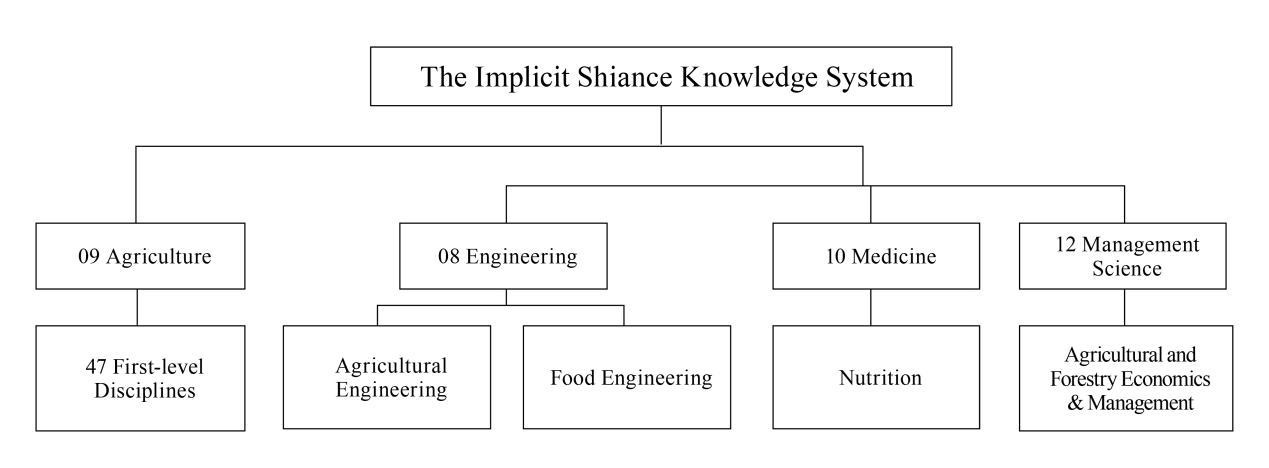
Figure 7. The Implicit Shiance Knowledge System
(2) The Value of the Implicit Shiance Knowledge System
The ancient saying "Food is the paramount necessity of the people" emphasizes shiance rather than agriculture, because agri-activities focus on food, while shiance focus on eaters. Agri-activities are conceptualized from the perspective of food production; shiance from the perspective of eater needs. Agri-activities reflect 10,000 years of food domestication, while shiance reflect 5.5 million years of eater survival and health. Today, agri-issues primarily concern 2.7 billion tons of grain, whereas the five eating issues encompass this grain, the health and longevity of 8 billion people, world peace, and human sustainability.
Built upon the agri-knowledge system, the shiance knowledge system is people-centered, rather than object-centered. Its most prominent feature is that it integrates eater, food, and order, providing the disciplinary paradigm to address the five eating issues.
V. The Interdisciplinary Shiology Spanning Eight Categories
The implicit "shiology knowledge system" in the Ministry of Education's Catalogue provides a disciplinary paradigm for addressing the five eating issues, but it has three notable shortcomings: (1) it does not fully cover the five eating issues; (2) it lacks formal disciplinary status; and (3) its internal logic is incomplete. Only through systematic upgrading can its full value be realized.
The basic upgrade approach: First, the research starting point shifts from food acquisition to eater needs. People-centered, with eater needs as the core, fulfilling eater needs is the sole purpose of constructing the shiance knowledge system; second, the research object should expand from food to shiance (eaters, food, and shiance order). In plain terms, this means expanding the focus from "satisfying hunger" to the Five eater needs—"eating enough, eating with variety, food-safe eating, eating for health and longevity, and sustainable eating"—allowing comprehensive understanding and unification of disciplinary objectives; third, the number of intersecting disciplines should not be constrained. The disciplinary scope should be determined based on the range of five eating issues, and the number of disciplines involved should not be limited, with the principle of fully covering the five eating issues. Shiology spans eight disciplinary categories, covering two-thirds of all 14 categories, far beyond the conventional two- or three-category intersection, with the aim of comprehensively addressing the five eating issues.
The basic upgrade methods: First, establishing the discipline based on "Shi" (food+eating), centering on the eater and aiming to cover all five eating issues; second, naming first-level and second-level disciplines using “Shi” or “Food” as the prefix, e.g., Food Processing Science or Shiance Economics. This resolves narrow disciplinary scope and incomplete issue coverage; third, clarifying inclusion and parallel relationships within the system, reducing overlap and gaps to form a complete disciplinary framework.
1. Addition of Four New Disciplinary Categories
Currently, among 14 disciplinary categories, "09 Agriculture" is primarily food-focused, and 4 food-related disciplines exist under “08 Engineering”, “10 Medicine”, and “12 Management Science”. To achieve full coverage of five eating issues, four additional food-related disciplines should be added: “02 Economics”, “03 Law”, “04 Education”, and “07 Natural Science”.
(1) Under “02 Economics”: Shiance Economics
Economics studies the optimal allocation and use of scarce resources. Shiance Economics applies economic theory to the rational allocation and utilization of human food resources and reveals their objective laws. The current Agricultural and Forestry Economics & Management under “12 Management science” mixes economics and management, creating theoretical contradictions and practical divergences[13]. The first step in upgrading Shiology 2.0 is to separate economic content from Agricultural and Forestry Economics & Management and establish Shiance Economics under "02 Economics". This discipline addresses shiance economic issues, such as the conflict between food's dual roles as a necessity and a commodity, or the “low grain prices harm both farmers and consumers”problem.
The original Agricultural and Forestry Economics & Management is renamed Shiance Administration, which applies management principles to study human shiance management behaviors, with subfields such as Government Shiance Management, Corporate Shiance Management, and Social Shiance Management. For example, to overcome fragmented governance ("Nine Dragons Managing Food"), institutional reform may establish a Ministry of Shiance or Ministry of Shiance Administration, enhancing national shiance governance capacity[14].
(2) Under “03 Law”: Shiance Law
Law corrects improper human behaviors. Shiance Law uses legal principles to study and correct inappropriate shiance behaviors. Current laws are scattered across agriculture, animal husbandry, fisheries, food processing, catering, and dietary therapy, resulting in redundancies, conflicts, and gaps. The lack of a holistic and systematic legal framework for shiance prevents the comprehensive and efficient correction of inappropriate shiance behaviors and undermines the safety of the people's eating practices. Establishing Shiance Law under the category "03 Law" provides a holistic legal framework, revealing objective principles, addressing improper shiance behaviors, reducing inefficiency, and supporting the creation of a unified National Shiance Code to promote a sustainable, high-quality shiance industry.
(3) Under "04 Education": Shiance Education
Education studies the laws governing knowledge transmission. Shiance education has two aspects: (i) vocational education for food industry professionals, focusing on food acquisition skills; (ii) general education for eaters, focusing on knowledge and methods to achieve health and longevity. Shiance Education specifically refers to the latter. It applies educational science principles to study how to impart knowledge for eating healthily and achieving longevity. Establishing this discipline supports initiatives like a National Food Education Development Outline, which is vital for public health and implementing the Healthy China strategy[15].
(4) Under "07 Natural Science": Food Ecology and Eatology
Natural sciences study natural phenomena, matter, and motion, including ecology and biology. Food Ecology applies ecological principles to study relationships between human food and the environment, understanding the natural systems that produce food. Modern human activity, especially industrialization, has severely polluted food substrates like soil and water, threatening sustainable food supply. Food Ecology research is urgent for revealing objective laws, solving ecological issues, and promoting sustainable development.
Eatology applies biological principles to study how humans can eat for health and longevity. Although eating may seem trivial, eating correctly is challenging and central to health and longevity. Eating impacts health in five ways: (1) constituting body, (2) satisfying hunger, (3) preventing disease, (4) treating disease, and (5) causing disease (as shown in Figure 8). Achieving global life expectancy of 100 years requires a knowledge system for eating. Eatology studies positive eating behaviors, prevents harm, fosters understanding of self and food, and informs the development of a Dietary Guide Dial[16]. Proper eating can reduce disease, lower household medical costs, ease national healthcare burdens, and improve social efficiency.

Figure 8. Eating as the Core of Health
2. Eight Essential Components of Shiology
Guided by the Chinese wisdom that “food is paramount” and “food governs politics,” and following the principle of “seeking truth from shiance, establishing a discipline based on food,” this paper adopts the five eater needs as its orientation to systematically upgrade the implicit shiance knowledge system into a modern interdisciplinary field.
Modern disciplines share eight universal elements: name, object, definition, task, terminology, principles, structure, and system.
(1) Name: Shiology (Shi-ology), a novel English term combining the Mandarin Shi (meaning “food” or “to eat”) with the Greek-derived suffix “-ology”.
(2) Object: Shiance, encompassing all human activities and phenomena related to food: eater, food, and order. Holistic understanding replaces partial cognition, enabling comprehensive problem-solving.
(3) Definition: The definition of Shiology can be established along four dimensions: essence, function, relationship, and occurence. From the essence perspective, shiology is a knowledge system that reveals the objective laws of shiance. From the functional perspective, shiology is a knowledge system that studies and solves the five eating issues. From the relationship perspective, shiology is the science that studies the mutual relationship and rules between humans and food. From the occurence perspective, shiology is a knowledge system that studies the genesis, evolution, and objective laws of shiance behaviors [17].
(4) Tasks: Three core tasks. (i) study food acquisition and human-body relations to extend individual lifespan; (ii) examine food resources and social demand to reduce conflicts and maintain harmony; (iii) study human shiance and ecology to ensure sustainable development.
(5) Terms: The core terms of Shiology consists of four groups—Shiance, Food, Eater, and Eating. Over 90 specialized concepts define the discipline[18]. Shiance refers to phenomena and activities where humans obtain and utilize food. Food encompasses any edible substance by humans, including natural and artificial foods, beverages like water, and oral medications. Eater refers to man and mankind from the perspective of eating needs. Eating denotes the process by which humans ingest food.
(6) Principles: Body Transformed from Food, Body-Food Coupling, Eating Can Cause Disease, Eating Can Cure Disease, Five-Sense Aesthetics, Shiance Breeds Civilization, Shiance Triangle, Shiance Priority, Shiance Behavior Follows Food Ecosystem and Food Converting System [19].
(7) Structure: The framework of Shiology consists of the Eater (needs), Food (supply), and Shiance Order (regulation), collectively referred to as the "Shiology Triangle"[20] (as shown in Figure 9). The eater is the core, and both food and shiance order serve the eater. The value of shiology triangle is that it can bring together the fragmented and segmented shiance cognition of human beings into a whole.
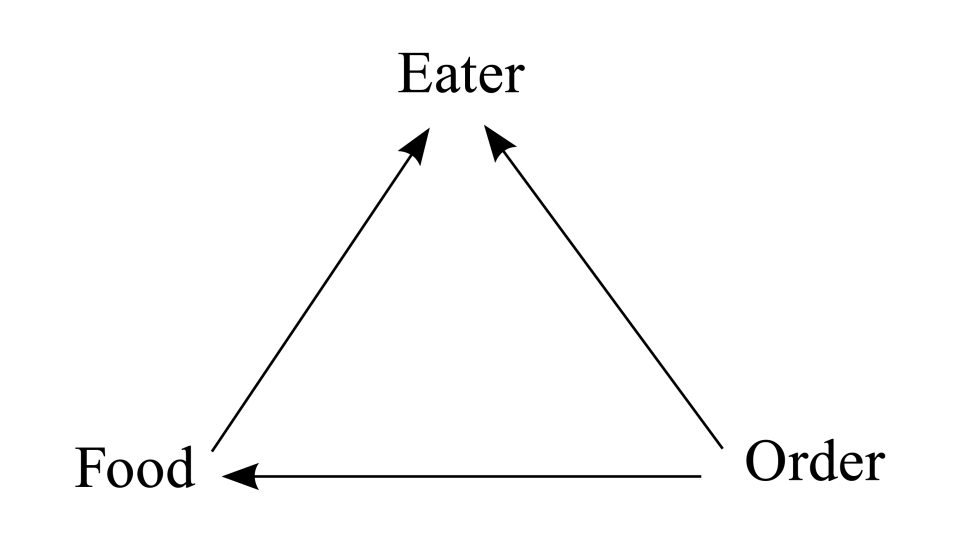
Figure 9. Shiology Triangle
(8) System: Integration across eight disciplines—09 Agriculture, 02 Economics, 03 Law, 04 Education, 07 Natural Science, 08 Engineering, 10 Medicine, and 12 Management Science (as shown in Figure 10).
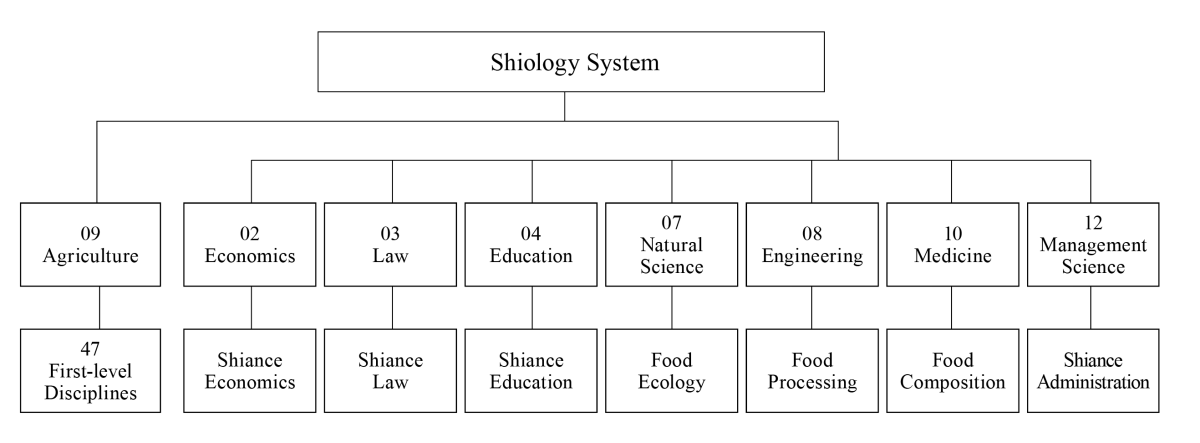
Figure 10. Shiology System
VI. Conclusion
Global shiance challenges are mounting: hunger and waste coexist, food safety incidents increase, diet-related diseases surge, and ecological degradation continues. Traditional, fragmented disciplinary approaches cannot meet these challenges. Misaligned incentives and resource allocation exacerbate issues: increased agricultural production may worsen ecological damage, food processing may threaten health, and suppressing grain prices harms both farmers and consumers. Constructing Shiology is thus both an academic and practical necessity.
Theoretical contributions include: 1) revealing the previously implicit shiance knowledge system and clarifying its interdisciplinary logic; 2) innovatively proposing the Shiology Triangle model to integrate dispersed research into a unified framework; and 3) elucidating ten fundamental principles of shiology, laying the groundwork for a meta-theory of shiance research. These theoretical innovations advance the study of five eating issues from experiential and partial understanding towards systematic and holistic cognition.
Practical contributions include: the research holds significant implications for policy-making. Shiance Law supports a unified National Shiance Code; Shiance Economics broadens focus from grain to food as a survival necessity; Shiance Administration underpins potential ministries, universities, and research institutes; Food Ecology informs sustainable policy; Shiance Education promotes Healthy China strategy implementation.
As an interdisciplinary field, the core value of shiology lies in its systematic approach to addressing the five eating issues, meeting the five eater needs, and filling the gap in the holistic understanding of shiance within the existing disciplinary system. Compared to existing interdisciplinary fields, shiology has two distinctive characteristics: First, it integrates eight major disciplinary categories, far exceeding the scope of typical interdisciplinary studies, which is necessary given the breadth and complexity of five eating issues. Second, its interdisciplinary structure follows a "1+7" model: among the eight integrated categories, one serves as the foundation—09 Agriculture—while the other seven participate in the form of sub-disciplines within the Shiology framework.
Although traditional disciplines like Agriculture, Engineering, and Medicine partially address the five eating issues, they are confined to their specific domains, unable to fully encompass the complexity and totality of shiance. By integrating knowledge from eight disciplinary categories, Shiology constructs a comprehensive theoretical framework covering the Eater, Food, and the Order. Its value extends beyond solving problems of individual health and social harmony; it aims to promote a paradigm shift in human civilization and emerge as a public product with significant value for global governance. In his address to the Fifth World Shiology Forum (WSF), UN Secretary-General António Guterres highlighted that the holistic principles of Shiology can help light the way. By recognizing our interconnectedness, we can build resilience across communities, ecosystems, and economies[21].
Despite its promising framework and comprehensive analysis, this study still has some limitations: 1) Data Fragmentation: Critical data related to shiology—spanning agriculture, health, education, and economics—remain scattered across domains with inconsistent standards, hindering holistic analysis. As a result, the data analysis in this study may be insufficient to fully substantiate its theoretical propositions. 2) Inadequate Elaboration of Overall Value: The study lacks sufficient case studies to illustrate and support its proposed theoretical value in practical contexts. 3)Limited Depth in Disciplinary Exploration: while this research establishes a relatively systematic and integrated interdisciplinary framework for shiology by incorporating insights from eight distinct disciplines, the depth of exploration remains inadequate. Further in-depth investigation is needed in subsequent studies.
In an official response dated August 31, 2024, to Proposal No. 04841 of the second session of the 14th National Committee of the Chinese People's Political Consultative Conference (CPPCC), the Ministry of Education stated that it supports degree-granting institutions with autonomous authorization to establish Shiology as a first-level interdisciplinary science based on their individual conditions. It also supports degree-granting units in autonomously setting up secondary-level interdisciplinary science focusing on shiance research. This places the development of the shiology discipline in a position of significant importance. Future disciplinary development should proceed in the following three key directions:
1. Basic Theory: Refining the methodological system of shiology, particularly by introducing quantitative research methods. This includes developing quantitative models for the "body-food coupling" principle and establishing assessment indicator systems for five eating issues. Conduct empirical validation of Shiology principles. For example, investigate the "body-food coupling" principle through research on the etiology of chronic diseases. Deepen the theoretical foundations of sub-disciplines within Shiology, especially the theoretical construction of newly proposed fields under existing categories, such as Food Ecology and Shiance Law.
2. Interdisciplinary Collaboration: Establishing dedicated interdisciplinary research platforms for shiology to foster in-depth dialogue between fields like Agriculture, Medicine, Law, and others. Developing unified research paradigms and technical standards to enhance the comparability and replicability of research outcomes. Constructing specialized databases for Shiology, integrating multi-source and heterogeneous data related to shiance. Promoting technological applications, such as developing AI-based personalized dietary systems and sustainable food production technologies.
3.Policy Application: Explore pathways for applying shiology theory to food safety regulation frameworks. Develop national healthy dietary guidelines based on the established principles of shiology. Conduct policy simulation and evaluation for sustainable food system development. Enhance policy coordination and explore legislative pathways for a potential National Food Code and mechanisms for global food affairs governance.
In summary, as an emerging interdisciplinary field, the shiology theoretical system requires continuous refinement and development through ongoing research. Disciplinary construction must be preceded by textbook development. Guided by the supportive policies of the Ministry of Education, it is imperative to actively promote the compilation of textbooks at the postgraduate, undergraduate, and vocational levels, thereby laying a solid foundation for training teaching faculty across all tiers. It is hoped that through the collective efforts of more scholars, Shiology will evolve into a truly systemic discipline capable of addressing humanity's five eating issues, contributing significantly to individual health, social harmony, and sustainable development. Future research should adhere to the principle of integrating theory and practice, deepening theoretical exploration while emphasizing the translation and application of research findings, enabling shiology to better serve the global shiance governance.
References
[1] Research Center for Shiology, Renmin University of China, et al. (2025). Global food systems & SDGs report 2025: A systematic stocktake of food-system issues and solutions. Chung Hwa Book Company.
[2] United Nations Environment Programme (2024). Food Waste Index Report 2024. Nairobi.
[3] World Health Organization. (2025). Obesity and overweight. Retrieved from https://www.who.int/news-room/fact-sheets/detail/obesity-and-overweight
[4] World Health Organization. (2014). Global status report on noncommunicable diseases 2014. WHO. http://www.who.int/nmh/publications/ncd-status-report-2014/en.
[5] Landrigan PJ, Fuller R, Acosta NJR, Adeyi O, Arnold R, et al. (2018). The Lancet Commission on pollution and health. The Lancet, 391:462–512.
[6] Liu Guangwei. (2021). Introduction to shiance issues. Thread-Binding Books Publishing House.
[7] The World Shiology Forum. (2023, October 10). The Secretary-General message for the Fourth World Shiology Forum. http://shiology.world/zh/xinwen/news_cont/guteleis.html
[8] United Nations. (2015). Transforming our world: The 2030 agenda for sustainable development https://sdgs.un.org/2030agenda
[9] University of Oxford. “What Is the Food System?” Oxford Martin Programme on the Future of Food, https://www.futureoffood.ox.ac.uk/what-food-system.
[10] Ministry of Education of the People’s Republic of China. (2022). Postgraduate education discipline and specialty catalog (2022).
http://www.moe.gov.cn/srcsite/A22/moe_833/202209/W020220914572994461110.pdf
[11] Cong Shanshan. (2009). Evolution and reflection on the undergraduate major setup in Chinese universities over 30 years of reform and opening-up. Modern Education Science, (7), 62–64.
[12] Ministry of Education of the People's Republic of China. (2023, April 4). Notice on publishing the record-filing and approval results of undergraduate programs in regular higher education institutions for the year 2022. http://www.moe.gov.cn/srcsite/A08/moe_1034/s4930/202304/t20230419_1056224.html.
[13] Luo Biliang. (2007). Agro-forestry economics and management as a subject in the colleges: Classification and reconstruction. Issues in Agricultural Economy, (12), 55–60.
[14] Liu Guangwei. (2024). Systematic governance of all issues related to food (1st ed.). People's Publishing House. 102.
[15] Liu Guangwei. (2025). Shiology education (1st ed.). Haiyan Publishing House.
[16] Liu Guangwei. (2020). Shiology (2nd ed.). Thread-Binding Books Publishing House.
[17] Liu Guangwei. (2023). Introduction to shiology—building an independent knowledge system to reveal the objective laws of food. Journal of Shanxi Agricultural University (Social Science Edition), 22(1), 7–19, 133.
[18] Liu Guangwei. (2024). Basic Terms in Shiology—Revealing the Connotation and Extension of the Core Concept of Shiance Cognition. Journal of Northeast Agricultural University, 31(4).
[19] Liu Guangwei. (2024). Principles of Shiology--Revealing the Basic Rules of Human Shiance. Journal of Northeast Agricultural University, 31(1).
[20] Liu Guangwei. Shiology System--to Establish Inclusion and Juxtaposition Relationships Within Shiance. Journal of Northeast Agricultural University, 31(3).
[21] The World Shiology Forum. (2025). The Secretary-General message for the Fifth World Shiology Forum.
Contact Person: Mr Zhang E-mail: Secretariat@shiology.world